-
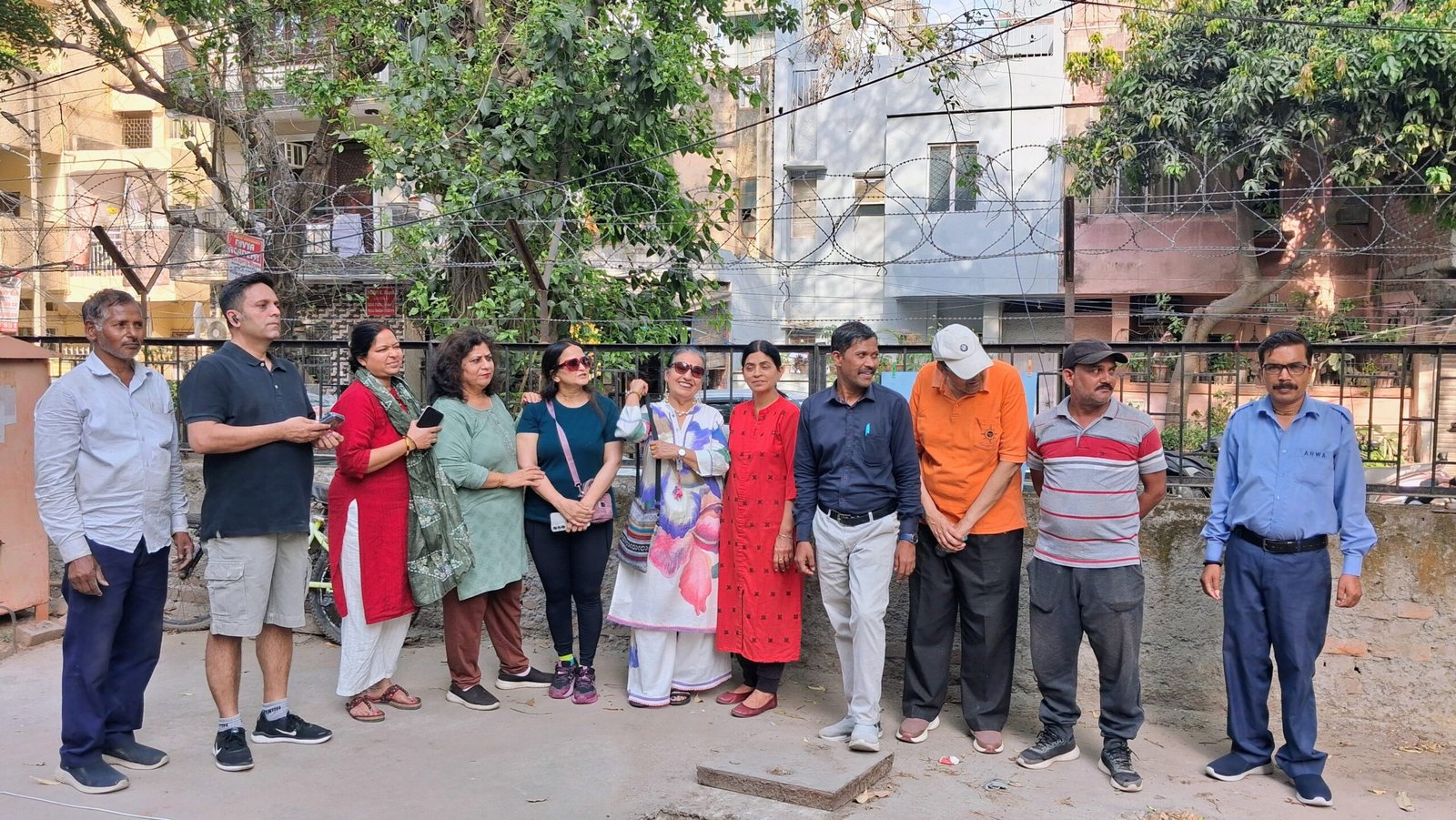
Restoring Rainwater Systems in Kalkaji
Accelerating Agenda 2030 Through Empirical Field Implementations
Sustainable Development Projects managed by the Society for Environment and Sustainable Development translate high-level international policy frameworks into localized ecological solutions. We place ultimate structural emphasis on field-level execution because theoretical climate mitigation goals remain inert without empirical baseline application. By deploying our technical expert panel pools to run rigorous field actions, from decentralized stormwater recharge networks to regional resource optimization frameworks, we bridge the gap between global statutory targets and localized execution. These data-driven interventions ensure your baseline capital translates directly into measurable climate resilience metrics across fragile ecosystems.
Furthermore, our platform scales these methodologies by matching localized parameters with regional municipal frameworks. This deliberate operational footprint allows grassroots initiatives to gain immediate institutional recognition. By anchoring our environmental targets within active community circles, our specialized Sustainable Development Projects turn isolated ecological exercises into long-term public assets, setting a high benchmark for regional transparency, project execution symmetry, and continuous environmental asset performance mapping across diverse geographic landscapes.
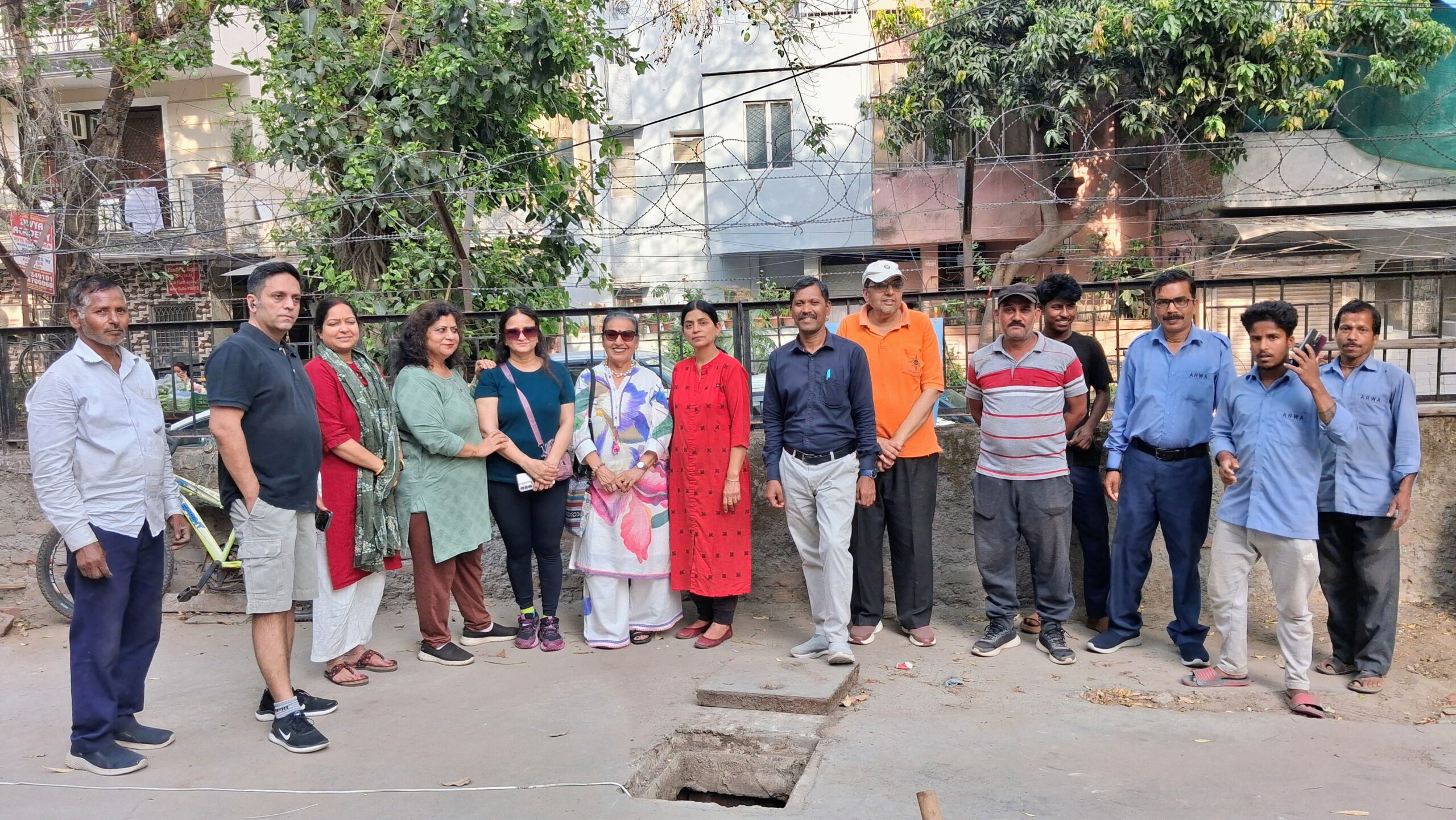 Figure 1: Field verification matrix tracking active Sustainable Development Projects and technical compliance benchmarks.
To achieve true scalable balance, we integrate local environmental data repositories with provincial development boards. This ensures that field metrics are transparent, easily reproducible, and ready to meet the operational expectations of institutional oversight groups. Our project management units continuously log field variables to optimize technical deployments across at-risk municipal areas, minimizing structural waste patterns and accelerating compliance timelines effectively.
Statutory Mapping for Sustainable Development Projects
A primary operational focus within our active Sustainable Development Projects framework is the institutional stabilization of urban municipal systems. Unmanaged solid waste streams cause critical ecological threats, including toxic soil degradation and hazardous greenhouse spikes. Susten India designs and deploys high-accuracy material recovery configurations that strictly satisfy the guidelines managed by the Central Pollution Control Board (CPCB) Solid Waste Management Rules dashboard. By aligning localized environmental audits with corporate social responsibility (CSR) assets, we ensure corporate allocations satisfy the indicators mapped across the official United Nations Sustainable Development Goals (SDGs) database.
Our compliance units work seamlessly on the ground to reduce systemic tracking gaps across industrial zones. By implementing standardized auditing steps and baseline tracking matrices, we help corporate entities cross-reference their eco-investments with dynamic government standards. This eliminates greenwashing vulnerabilities, mitigates statutory liabilities, and ensures that institutional allocations for Sustainable Development Projects produce undeniable, high-fidelity metrics that meet national and global environmental performance checklists perfectly.
By managing these technical data systems, Susten India helps partner agencies transition safely into modern, zero-waste operational modes. Our systematic waste auditing mechanisms assess material lifecycles precisely, keeping municipal frameworks perfectly synchronized with statutory pollution parameters and regional regulatory clean-air directives across every industrial tier. This clear integration builds long-term institutional value for all environmental management networks involved.
Predictive Modeling and Research Scaling
Our roadmap expands these empirical models into predictive geospatial analytics, mapping regional water security and e-waste circularity metrics ahead of industrial scaling thresholds. These comprehensive Sustainable Development Projects serve as active training hubs for the next generation of sustainability scientists, environmental lawyers, and compliance engineers. By transforming conceptual public-sector policies into verified, auditable physical assets on the ground, Susten India continues to champion secure, data-driven climate governance paradigms across the subcontinent, guaranteeing that every public sector undertaking and CSR alliance achieves permanent, scalable ecological value.
As we continue to grow our technical talent database, these research frameworks expand into live data portals accessible to global research partners. This deep institutional connectivity fosters real-time data exchanges, speeding up the implementation of green tech adaptations in high-risk zones. Through rigorous data management, deep legal oversight, and an unwavering commitment to sustainable field execution, our Sustainable Development Projects establish a reliable, repeatable roadmap for long-term ecological balance and community-centered environmental evolution.
Ultimately, our platform aims to establish unified metrics that combine scientific field analytics with regional economic development tracking. By compiling detailed case studies from our successful initiatives, we provide corporate partners and municipal bodies with clear, proven toolkits for environmental stewardship, helping communities achieve verified, climate-resilient futures. Through steady scaling, strategic alignment, and expert execution of our nationwide Sustainable Development Projects portfolio, we continue to secure clear ecological assets for generations to come.