SWM Rules 2026 Compliance Protocol

Securing SWM Rules 2026 Compliance:
India’s Trusted Strategy

We empower municipalities and rural panchayats to achieve full SWM Rules 2026 compliance through scientific waste characterization and circular economy engineering. Our strategy aligns local action with global UN SDGs to ensure statutory protection across India.

SWM Rules 2026

Mandatory 4-Stream Segregation

Under the new 2026 mandate, all waste generators must transition to this four-part sorting protocol to avoid statutory penalties.

🥬

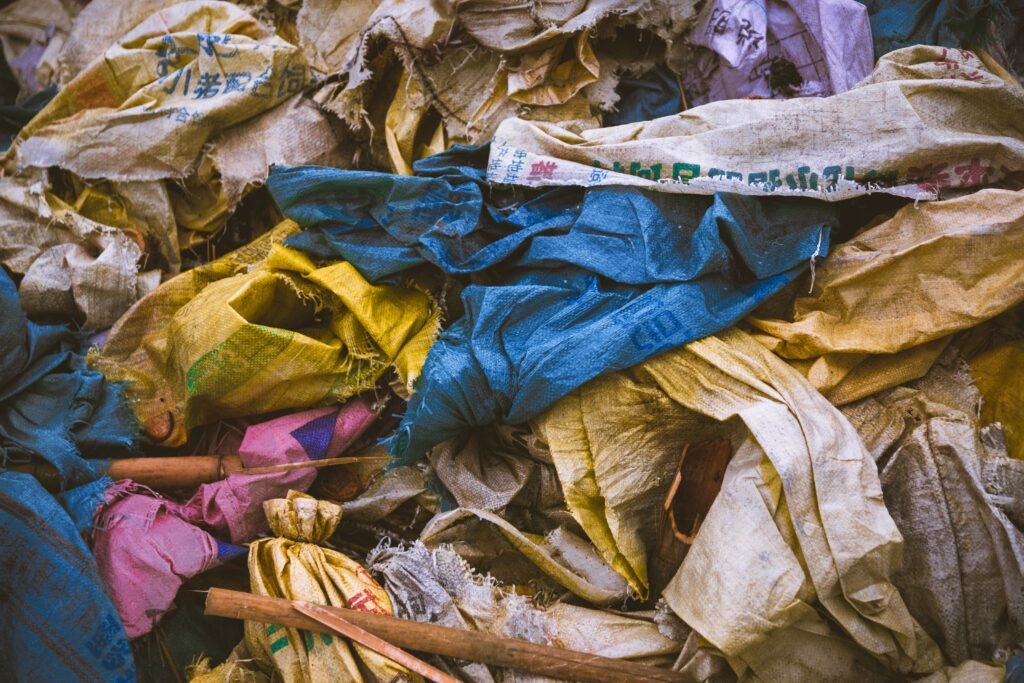
Wet Waste

Biodegradable kitchen waste, food remains, and garden trimmings.

📦

Dry Waste

Recyclable plastics, paper, metal, glass, and wood products.

🩹

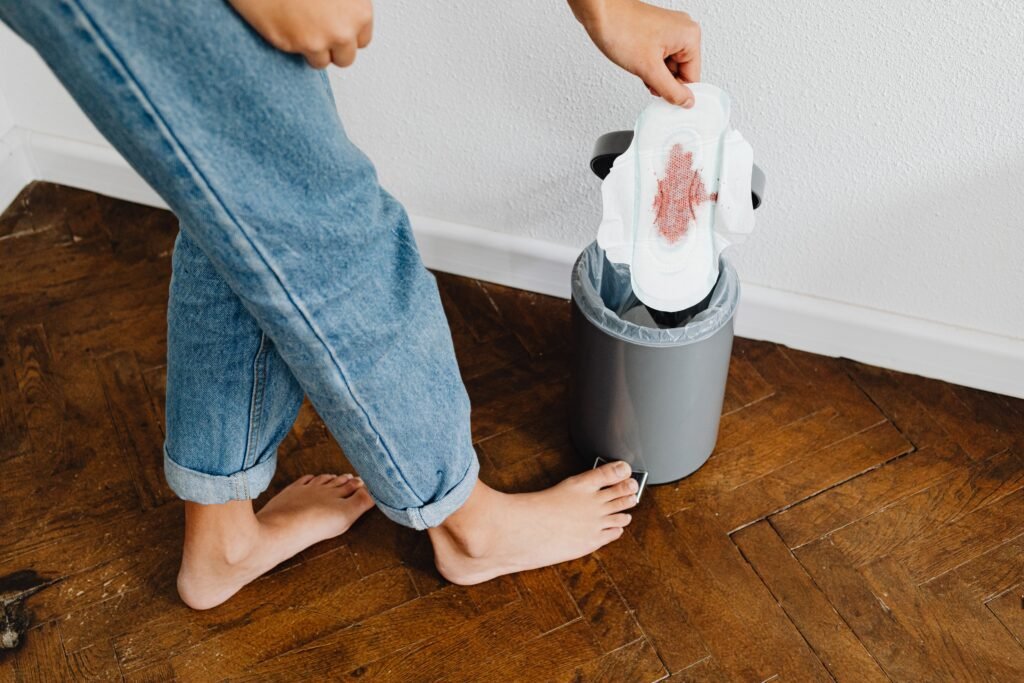
Sanitary Waste

Diapers, sanitary napkins, and used bandages (securely wrapped).

🔋

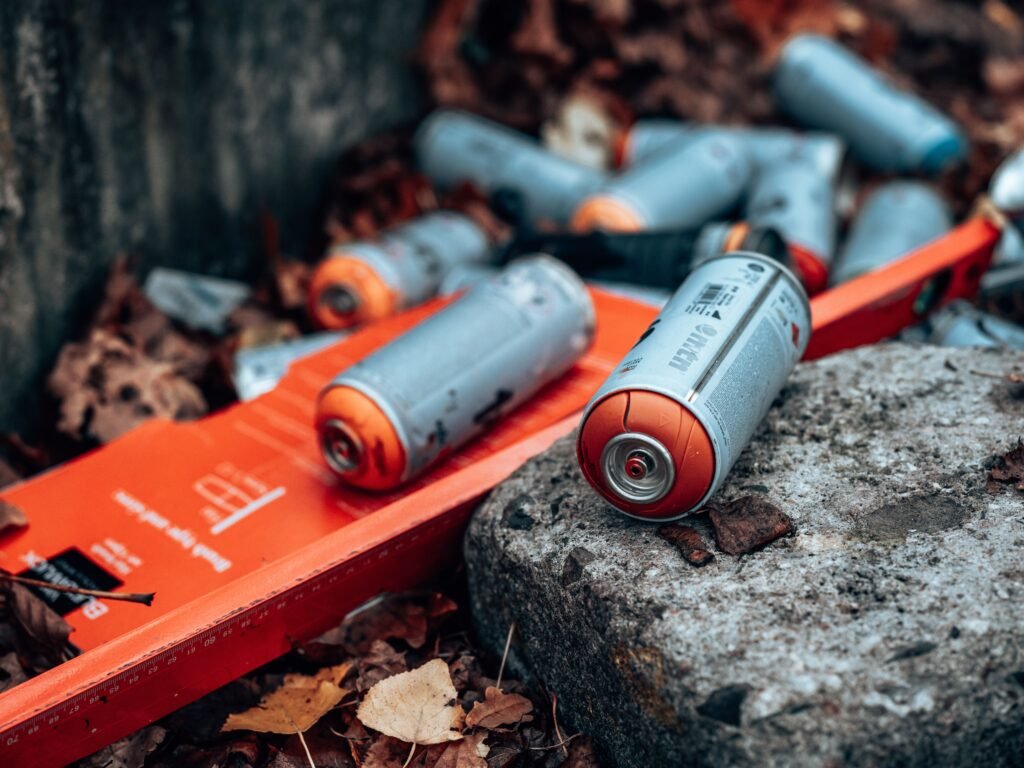
Special Waste

Hazardous items: batteries, paint cans, and expired medicines.

Compliance Note: Bulk Waste Generators (BWGs) producing over 100kg/day must now register on the CPCB Centralized Online Portal as per the latest 2026 amendments.

SWM Rules 2026 Compliance

The 2026 Regulatory Shift:
A New Era For Waste

Effective April 2026, India’s waste management framework transitions from simple collection to a strictly monitored Circular Economy. This shift is a legally binding mandate focusing on resource recovery and the “Polluter Pays” principle.

Under the SWM Rules 2026, the responsibility for waste no longer ends at the doorstep. Municipalities and corporations are now legally required to demonstrate 100% scientific processing of organic waste.

The introduction of Environmental Compensation (EC) means that non-compliance now carries heavy financial penalties. We provide the technical legitimacy required to navigate these complexities.

📜

Statutory Rigor

Zero-gap documentation for audit readiness and statutory reporting.

⚖️

Zero Penalty

Mitigating Environmental Compensation risks through scientific rigor.

Global Goals Alignment

Advancing SDG 11: Building Resilient Cities

Our strategic framework aligns with international targets by reducing the adverse per capita environmental impact of cities through decentralized waste processing.

01

Air Quality Metrics

Mismanaged waste is a primary contributor to urban pollution. We target the reduction of PM2.5 and PM10 levels by eliminating open burning and landfill methane emissions.
02

Resource Recovery

By treating waste as a resource at the source, we help cities improve their “Livability Index” and reduce the carbon footprint of municipal operations across India.

03

Legacy Remediation

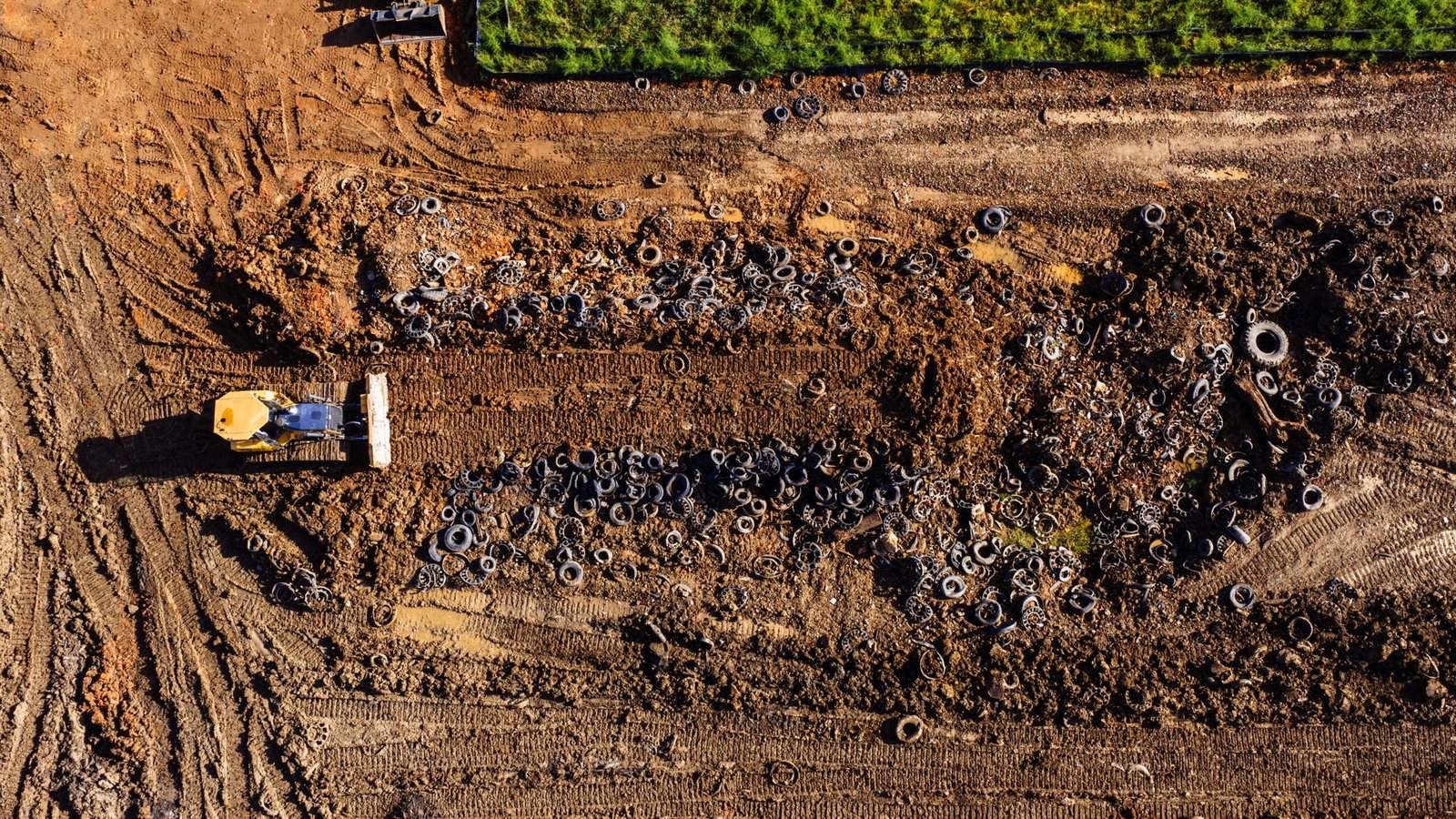
Every Susten project, from legacy dumpsite biomining to MRF establishment, is a verified step toward achieving India’s global commitments to the 2030 Agenda.
Operational Specialization

Bridging The Urban-Rural Waste Divide

Urban Centers

Municipal Corporations

In urban centers, the challenge is Scale. We focus on legacy waste reclamation to free up valuable land and establish high-capacity waste-to-energy ecosystems.

  • Large-Scale Biomining & Remediation
  • Material Recovery Facility (MRF) Integration
  • Statutory 2026 Compliance Reporting
Village Clusters

Rural Panchayats

In villages, the goal is to prevent the Urbanization of Waste. We implement decentralized processing units that are scientifically sound and culturally integrated.

  • Village Awareness & Segregation Camps
  • Open-Dumping Prevention Strategies
  • Micro-Processing Center Blueprints

“True progress happens when policy meets a planet-first mindset across every district in India.”

Technical Authority

Why SWM Rules 2026 Compliance Is Non-Negotiable

Achieving SWM Rules 2026 Compliance requires a fundamental shift in waste handling. Beyond simple collection, the new mandate emphasizes source segregation and the scientific treatment of waste. To help our partners maintain SWM Rules 2026 Compliance, we focus on digital audit trails and circular economy integration.

01

Digital Transparency For Compliance

Documentation of every ton processed is vital to prove SWM Rules 2026 Compliance during statutory environmental audits.

02

Methane & GHG Mitigation Standards

Statutory compliance involves monitoring greenhouse gas emissions from legacy dumpsites to align with national net-zero targets.

03

Resource Valorization Strategies

Transforming dry waste into marketable recyclables to ensure long-term SWM Rules 2026 Compliance is economically sustainable.

By integrating these scientific methodologies, Susten ensures that your organization doesn’t just meet the minimum requirements for SWM Rules 2026 Compliance, but becomes a national benchmark for excellence under the Swachh Bharat Mission. Our consultancy provides the engineering blueprints and verifiable digital compliance trails necessary to navigate the SWM Rules 2026 Compliance landscape with absolute confidence.

Engagement Framework

Partnership Tiers & Service Scope

Secure your statutory status for 2026 and align your operations with global sustainability standards through our specialized annual tiers.

Individual

Households

₹4,999/Annual
  • Segregation Kits
  • Home-Composting Training
  • “Green Citizen” Certification
Register Now

Governance

Rural Panchayats

₹24,999/Annual
  • MRF Planning
  • Village Awareness Camps
  • Open-Dumping Prevention
Register Now

Strategic Partner

Municipalities

₹50,000/Annual
  • Full Biomining Guidance
  • Recycling & Safe Disposal
  • SWM Rules 2026 Compliance
Register Now
Direct Technical Advisory

Begin Your Compliance Journey

Secure your statutory status and align your operations with global sustainability standards. Review the 2026 requirements or reach out to our technical team today for a custom compliance audit.