Delhi's Pollution Breakdown: Mapping Pollutant Sources and Emission Shares

Understanding Delhi air pollution sources is crucial for addressing the capital’s severe environmental crisis.

Delhi Air Pollution Sources: Mapping Pollutant and Emission Shares

Delhi’s severe air quality stems from a complex mix of local and regional pollutants. Major contributors include vehicular emissions, industrial discharge, road and construction dust, seasonal crop residue burning, and intense spikes from Diwali firecrackers, all converging to trap hazardous particulate matter across the capital.
Delhi Air Pollution Sources: The Dominance of Vehicular Pollution

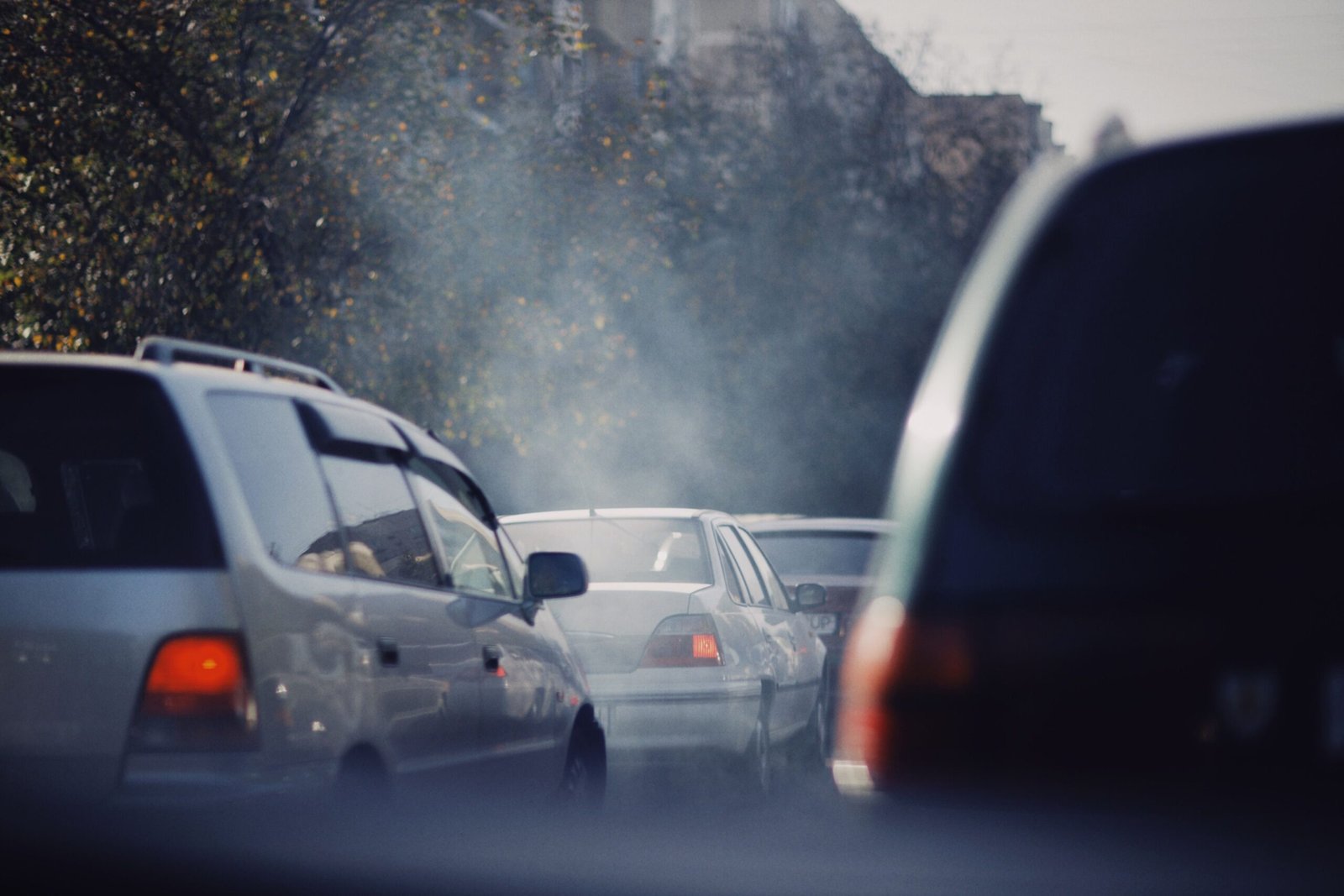
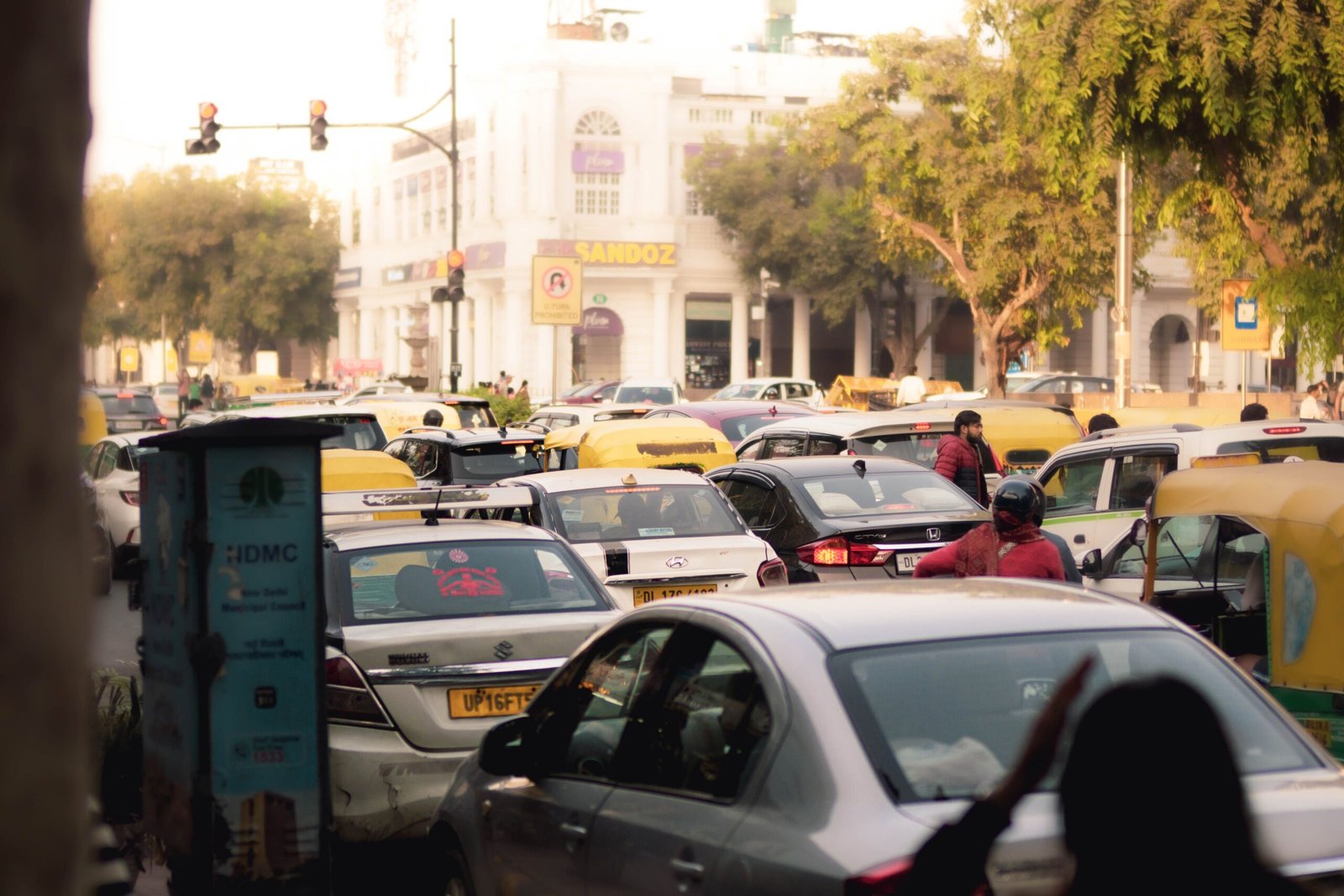
Vehicles emit massive quantities of fine particulate matter, nitrogen oxides, and carbon monoxide. These penetrate deep into the lungs, causing severe inflammation, aggravating conditions like asthma, and increasing risks of cardiovascular disease and impaired lung development.

Industrial Corridors and Toxic Exposure: The Escalating Health Crisis

Industrial emissions are the second largest contributor, accounting for roughly 20 to 25% of the pollution load. Industrial clusters ringing the capital drive a parallel public health catastrophe through unregulated toxic emissions. Major manufacturing hubs like Mundka, Narela, Bawana, and Okhla release heavy metals and carcinogenic compounds, with Mundka standing out for its immense scale and dense clustering of polluting units. Long-term exposure to these hazardous pollutants has severe oncological consequences, evidenced by alarming spikes in respiratory cancers and clusters of fatalities in heavily industrialized zones.

Road Dust Resuspension and Construction Fallout: The Unseen Particulate Driver

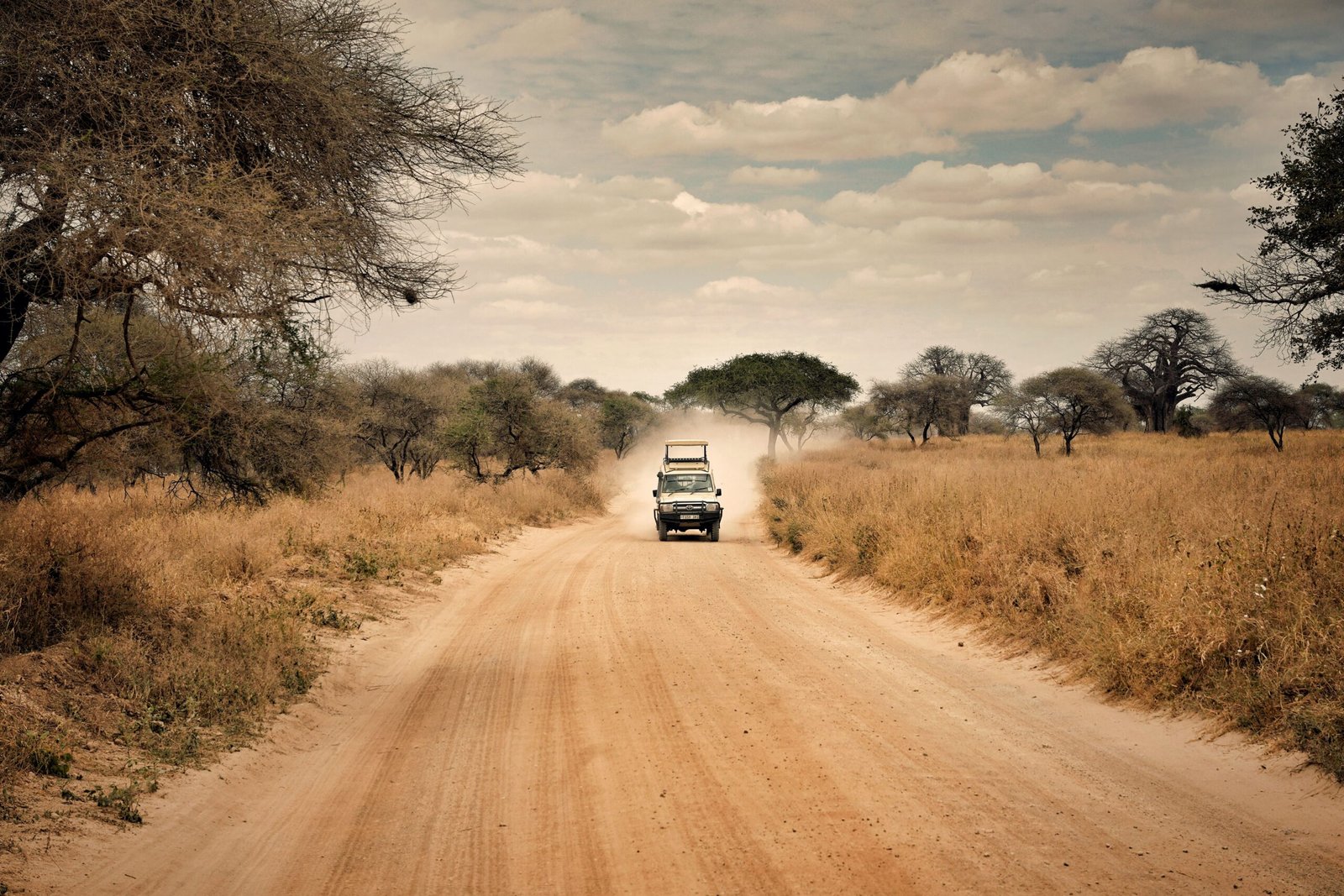
Road dust resuspension, heavily amplified by vehicular turbulence, alongside widespread road and building construction and demolition activities, accounts for fifteen to twenty-five percent of Delhi’s pollution load. Mechanical grinding and continuous disturbance pulverize soil and debris into fine particulate matter, which remains suspended and penetrates deep into the respiratory tract, triggering chronic airway inflammation and exacerbating cardiovascular stress.

Dusty road

Uncontrolled Burning and Agricultural Fires: Delhi's Unregulated Emission Crisis

Biomass and Waste Burning: Unregulated Combustion Hazards

​Open municipal waste burning and domestic fuel use contribute ten to twenty percent of Delhi's particulate load. This low-temperature combustion releases toxic pollutants including dioxins and furans, which cause systemic inflammation, respiratory distress, and long-term carcinogenic risks.

​Agricultural Stubble Burning: Seasonal Episodic Spikes

Crop residue burning accounts for eight to eighteen percent of particulate pollution during post-harvest months. The massive release of fine PM2.5 and trace gases severely spikes peak pollution levels, drastically reducing lung function and triggering acute cardiovascular events.

Cross Border Industrial Emissions: NCR Power Plants and Delhi's Air Quality

Coal combustion releases both PM10 and fine PM2.5, along with sulfur dioxide and nitrogen oxides that chemically convert into hazardous secondary particulates. Plants like Dadri, roughly forty kilometers away, and Jhajjar, about sixty kilometers out, send these pollutants directly into Delhi’s airshed. This drift significantly elevates background toxicity, worsening respiratory and cardiovascular ailments across the population. 

Festival Spikes: The Episodic Impact of Firecrackers

Understanding how seasonal combustion drives extreme, short-term surges in particulate matter.

While annual baselines may appear moderate, ignition during festivals causes massive surges in pollutants like fine particulate matter, sulfur dioxide, and toxic heavy metals like barium and lead. This sudden toxic influx triggers severe respiratory distress, worsens pre existing conditions like asthma, and poses acute cardiovascular risks due to deep lung penetration.

Major Emission Sources and Health Impacts

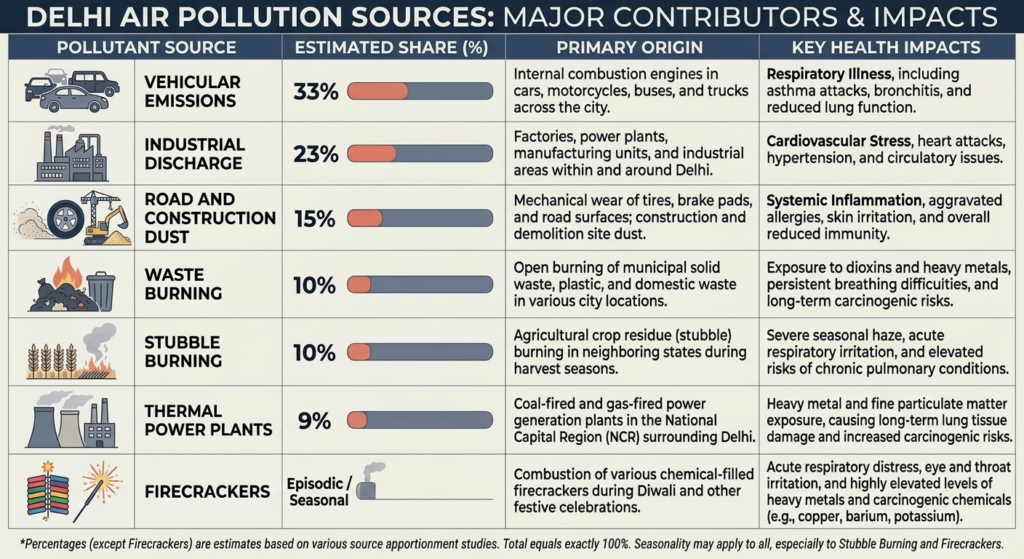
Delhi’s severe air quality stems from a complex mix of local and regional pollutants. This section outlines the primary contributors—including vehicular emissions, industrial discharge, road dust, and biomass burning—their estimated percentage shares, and their specific consequences for public health to contextualize the urgency of targeted interventions.

Air pollution apportionment data for Delhi

The Path Forward: Restoring Clean Air to Delhi.

Delhi’s air crisis requires an immediate, integrated response targeting major contributors. Groundbreaking reports link heavy particulate exposure from vehicular emissions and road dust to severe cardiovascular and respiratory ailments, with long-term exposure to toxic air causing cellular DNA damage and lung cancer. Meanwhile, industrial discharge and unmonitored waste burning compound toxicity.

Tragic clusters, such as the high incidence of cancer in unmonitored industrial hubs like Mundka, underscore the lethal human cost of inaction. According to World Health Organization recommendations, municipalities must enforce stricter transport sectoral solutions and mandate sustainable waste management to restore air quality to the capital. For ongoing research and advocacy, visit the Society for Environment and Sustainable Development.

Email Us connect@susten.org.in
✉️
Call Us 99992 28028
📞
Support 63883 07205
📞
Top Rated 4.9/5 ★
🏅