Unmasking Delhi's Air Pollution: Causes, Health Impacts, and the Path Forward

Delhi Air Pollution: Every winter, a toxic haze envelops Delhi, turning the city’s skyline grey and its air hazardous. This comprehensive overview explores the complex causes, severe health impacts, and the urgent path forward for India’s national capital.

Uncovering the Crisis: The Multifaceted Sources of Delhi’s Pollution

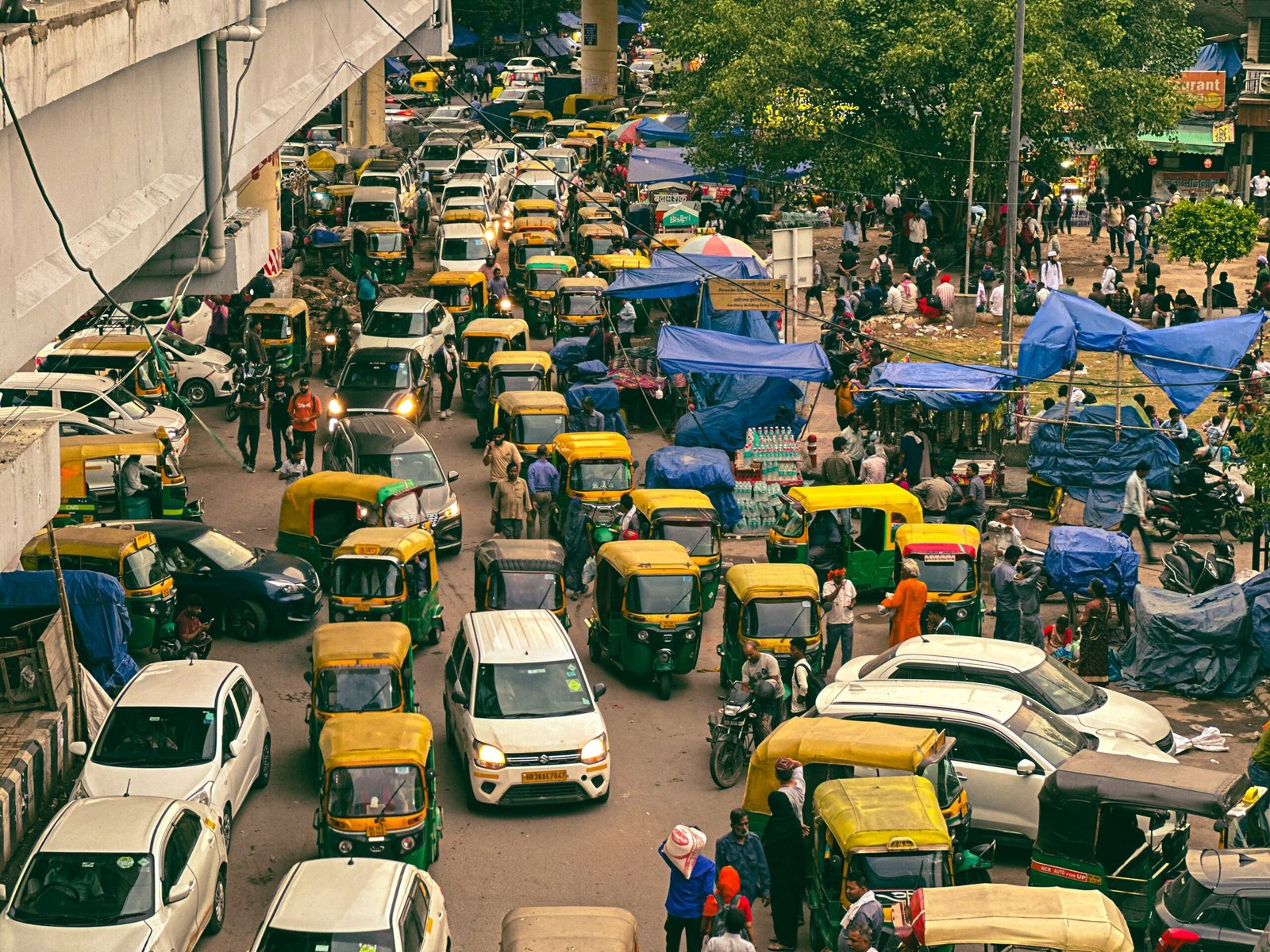
Delhi’s environmental crisis stems from a complex interplay of pollution sources. Key contributors include heavy vehicular emissions, industrial discharge, widespread road and construction dust, and the seasonal burning of crop residue in nearby states.

Additionally, the mismanagement of solid and liquid waste, open waste burning, and reliance on diesel generator sets significantly exacerbate the overall pollution levels
Invisible Threat, Visible Damage: The Severe Health Impacts of Delhi’s Bad Air

Delving into the physiological and psychological devastation caused by prolonged exposure to Delhi’s toxic air reveals a profound public health emergency.

At the forefront is respiratory damage, where fine particulate matter triggers chronic conditions like asthma and bronchitis, significantly reducing lung capacity.

The cardiovascular system bears an equally heavy burden; pollutants enter the bloodstream, elevating the risk of high blood pressure, strokes, and fatal heart attacks.

Furthermore, emerging evidence confirms that these dangerous particles infiltrate the central nervous system, leading to neurological harm.

This physiological toll is compounded by mental health challenges, as chronic exposure is directly linked to increased stress, anxiety, and other serious psychological disorders, underscoring the total devastation of the crisis.

Delhi Air Pollution: The Response to Crisis

Delhi is shifting from emergency shutdowns to strategic planning. The latest action plan enforces phased restrictions on dust-generating construction, implements fifty percent work-from-home arrangements for half of the workforce, and doubles parking charges to reduce private vehicle usage.
Stricter enforcement targets older, more polluting vehicles while an AI-enabled command centre actively monitors industrial emissions and illegal open burning.

Clearing the Smog: A Coordinated Strategy for Delhi's Clean Air

​Government Leadership: Enforcing Systemic Change

​The foundation of Delhi'pollution control strategy relies on strong government policy. Authorities are enforcing phased restrictions on dust-generating construction and implementing fifty percent work-from-home arrangements to reduce vehicle emissions. Stricter enforcement targets older, polluting vehicles, while an AI-enabled command centre actively monitors industrial emissions and illegal open burning.

​Public Participation: Community Actions for a Cleaner Capital

Individual contributions are essential for transforming Delhi's air quality. Citizens can significantly reduce their carbon footprint by choosing public transport, participating in local tree-plantation drives, and utilizing digital apps to report pollution violations. Collective public engagement ensures that government policies are supported by community-level awareness.

Targeting Core Pollutants: Managing Vehicles and Road Dust in Delhi

Vehicles and road dust are responsible for approximately seventy-five percent of Delhi’s air pollution. Vehicle emissions drive fifty percent of this total, comprising twentysix to thirty percent from secondary particulate matter formed by sulfur and nitrogen gases, and twentythree to twentyfive percent from direct transport emissions. Road and construction dust contributes another twenty to twentyfive percent, making these two sources the critical focus areas for pollution control.

Supporting Subheading

Global Models for Emission Control

Japan: Precision in Road Maintenance

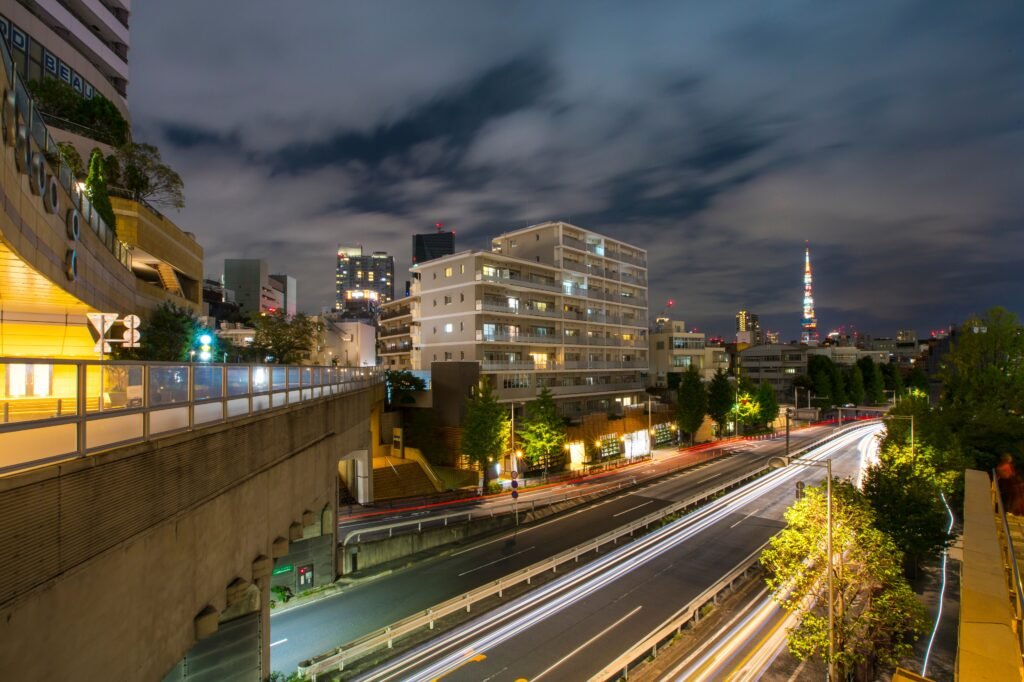
Japan's roads are world-renowned for their exceptional quality, a result of continuous maintenance protocols and the use of highly durable materials. Municipalities employ automated street-sweeping vehicles alongside frequent manual cleaning to effectively prevent the accumulation of dust and particulate matter, ensuring exceptionally clean roadways.

Lumbourg: Universal Free Public Transport

Luxembourg has fostered a significant cultural shift toward sustainable living by implementing free public transit across the entire nation. This bold initiative, covering all buses, trains, and trams, aims to combat traffic congestion and environmental degradation by removing financial considerations from daily commutes and encouraging widespread public transportation use.

Targeting Core Pollutants: Managing Vehicles and Road Dust in Delhi

Vehicles and road dust are responsible for approximately seventy-five percent of Delhi’s air pollution. Vehicle emissions drive fifty percent of this total, comprising twentysix to thirty percent from secondary particulate matter formed by sulfur and nitrogen gases, and twentythree to twentyfive percent from direct transport emissions. Road and construction dust contributes another twenty to twentyfive percent, making these two sources the critical focus areas for pollution control.

Email Us connect@susten.org.in
✉️
Call Us 99992 28028
📞
Support 63883 07205
📞
Top Rated 4.9/5 ★
🏅