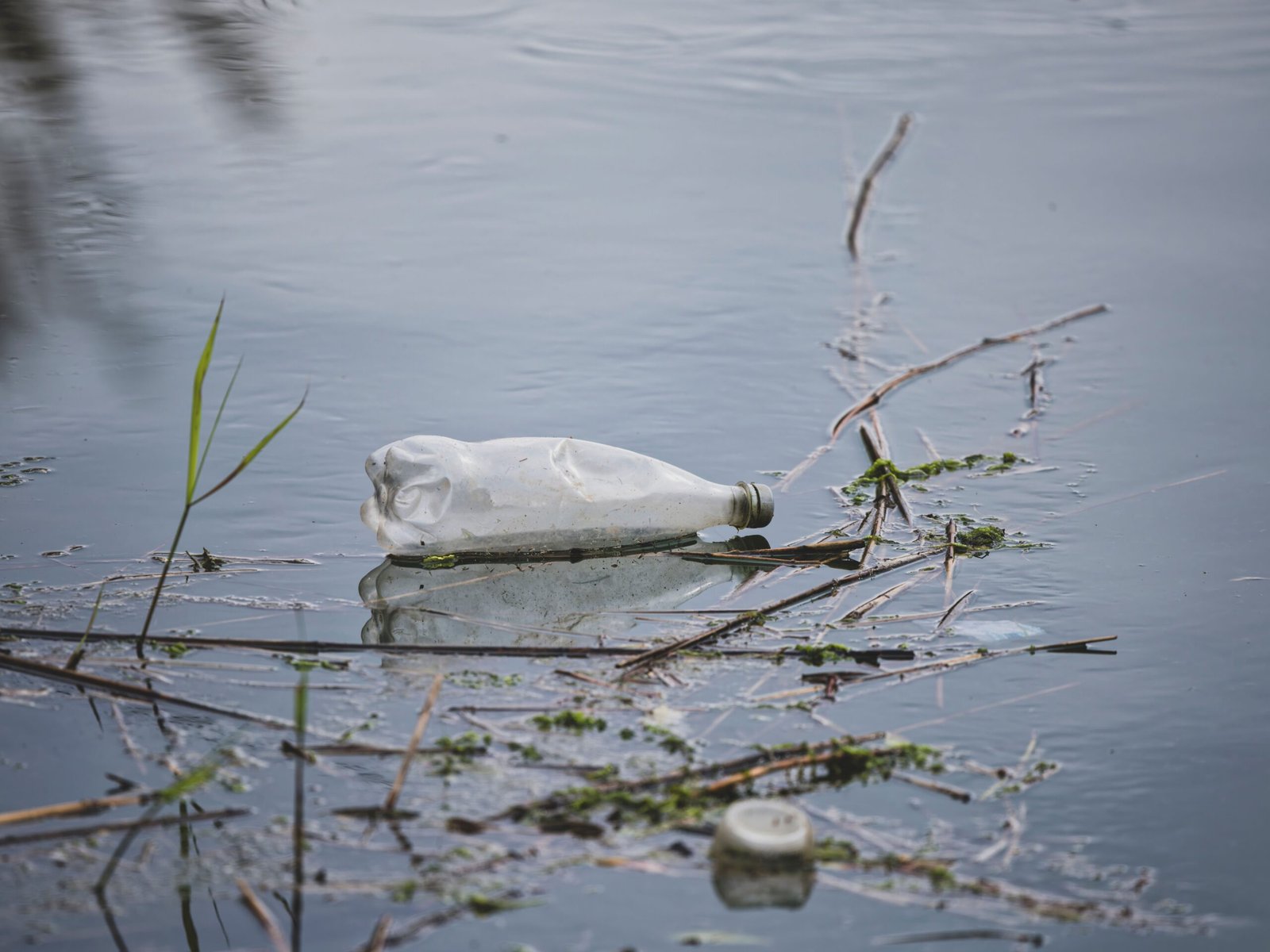
Per-Capita Waste Reduction: Delhi's Journey to SDG 12

As a leading Environmental NGO in India, SESD is spearheading the transition toward Responsible Consumption and Production. Our research explores how Delhi can lower its per-capita waste footprint through circular economy initiatives and community-driven action

The Science of Per-Capita Waste Reduction

The difference between urban and rural waste generation is much smaller now, so it doesn’t reflect a major gap. Here is the revised text: “Per-Capita Waste Reduction is the single most effective way to achieve sustainable waste management.

By making conscious efforts to reduce individual consumption and avoid single-use plastics at the source, we can significantly lower the total amount of waste generated. While urban dwellers generate nearly 600 grams of waste daily, rural footprints are closer to 400 to 500 grams.

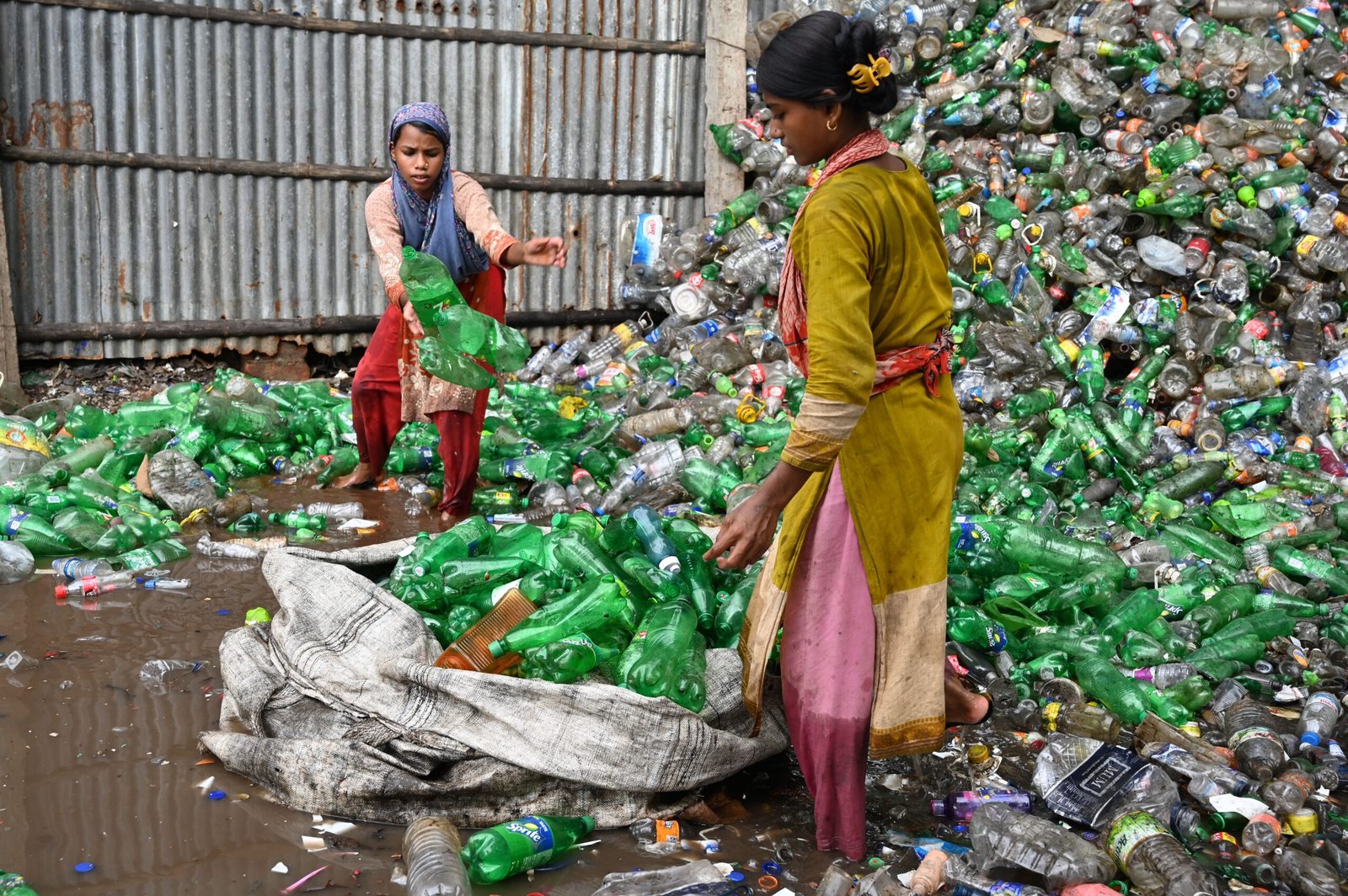
Urban Footprint

Urban dwellers generate nearly 600 grams of waste daily.

Rural Baseline

Rrural footprints remain closer to 400 to 500 grams of waste daily.

Daily Savings

Achieving per-capita 100g plastic waste reduction could lead to potential daily savings of ₹22 Crore.

The Economics of Waste Avoidance

The shift from flat municipal fees to a “Pay-As-You-Throw” model, which incentivizes citizens to reduce their waste footprint by making waste a measurable utility.

SDG Target 12.5 : Achieve substantial waste reduction through prevention.

Delhi Sustainability Report: SDG 12

Per-Capita Waste Reduction:
Delhi’s Journey to SDG 12

As a leading Environmental NGO in India, SESD is spearheading the transition toward Responsible Consumption and Production. Our research explores how Delhi can lower its per-capita waste footprint through circular economy initiatives and community-driven action.

The Science of Per-Capita Waste Reduction

Per-Capita Waste Reduction is the most critical metric for achieving the UN’s Sustainable Development Goal 12. In Delhi, the waste crisis is not just an infrastructure failure—it is a mathematical delusion. By shifting our focus from the massive tonnes at the landfill to just 100 grams of plastic at the source, we trigger a systemic shift toward a true circular economy.

To achieve meaningful Per-Capita Waste Reduction, we must analyze the stark contrast between urban and rural consumption. While urban dwellers generate nearly 600g of waste daily, rural footprints remain closer to 150g. Bridging this 450g gap is the key to national sustainability.

450g – 600g

Urban Footprint

150g – 250g

Rural Baseline

₹22 Cr

Daily Potential Savings

The Economics of
Waste Avoidance

To fulfill the global mandate of SDG 12, we must transition from reactive management to proactive avoidance. The Pay-As-You-Throw (PAYT) model incentivizes citizens to reduce their footprint by making waste a measurable utility.

SDG 12.5

Target: Substantial reduction through prevention.

The PAYT Framework

01
Smart Measurement

Digital weight-based tracking vs. flat municipal fees.

02
Financial Incentive

Direct rewards for households staying under 250g/day.

Why Delhi Needs a Per-Capita Waste Reduction Strategy

Traditional waste management focuses on \”collection and disposal.\” However, a Per-Capita Waste Reduction framework focuses on \”prevention and refusal.\” As plastic contamination in Delhi\’s waste stream hits the 20% mark, the environmental pressure on our local ecosystems becomes irreversible.

By integrating Per-Capita Waste Reduction into municipal bylaws, we move away from the \”legacy problem\” of biomining and toward a \”future-ready\” sustainable civilization. This involves a three-tier approach: individual refusal, community composting, and institutional accountability through the PAYT mechanism.

⚠️

The Plastic Surge

Overall plastic waste is rapidly increasing in the urban waste stream. In cities like Delhi, plastic now accounts for nearly 20% of the total volume—making Per-Capita reduction no longer optional, but a survival mandate.

The Government Role
Target 12.5

The state must provide the structural foundation for SDG 12. This includes deploying digital collection infrastructure, weight-based QR billing, and implementing the fiscal penalties that drive PAYT success.

The Collective Role
Target 12.8

While the government builds the mechanism, civil society leads the Awareness Charge. NGOs and public groups transform data into habits, shifting the mindset from \”Passive Consumer\” to \”Circular Custodian.\”

\"Plastic
SDG 12 Impact Challenge

Take the 100g Plastic Challenge

Every piece of plastic you refuse today is 100g less in a landfill tomorrow.

  • ACT: Refuse one single-use plastic item.
  • REPORT: Fill our 30-second impact form.
  • CERTIFY: Receive your Impact Certificate instantly.
Start Your Challenge

*Supporting Per-Capita Waste Reduction via Susten Society.

The Escalating Crisis: Three Decades of Waste

Overall Generation

Over the last 30 years, India\’s municipal solid waste generation has surged by over 250%. Rapid urbanization has moved us from 46 million tonnes in the 90s to approximately 160 million tonnes annually today.

Per Capita Surge

Individual footprints are growing. Per capita waste generation in urban India has risen from 0.4kg to nearly 0.6kg per day. In metropolitan hubs like Delhi, this figure often peaks higher due to consumption-heavy lifestyles.

Top 3 Solutions for Delhi

01
Mandatory Source Segregation: Delhi’s landfills are 50% organic waste. Segregating \”Wet\” waste at home for local composting can halve the burden on landfill sites.
02
Material Recovery Facilities (MRF): Expanding localized sorting centers allows recyclables to be recovered before they reach a dump site.
03
Decentralized Processing: Moving toward colony-level biogas and composting units reduces transportation emissions and manages waste locally.

Common Questions on SDG 12

What is Per-Capita Waste Reduction?

It is a sustainability metric that measures the average amount of waste produced by a single person. Achieving Per-Capita Waste Reduction is essential for reducing the pressure on municipal landfills and meeting global SDG 12 targets.

How does the 100g Plastic Challenge help Delhi?

Since plastic makes up 20% of Delhi\’s waste, a 100g reduction per person can save the city crores in collection costs and prevent thousands of tonnes of non-biodegradable material from entering the ecosystem.

What is the PAYT model?

The Pay-As-You-Throw (PAYT) model is a fiscal policy where citizens are billed based on the weight of waste they generate, directly incentivizing Per-Capita Waste Reduction through financial savings.

Email Us connect@susten.org.in
✉️
Call Us 99992 28028
📞
Support 63883 07205
📞
Top Rated 4.9/5 ★
🏅