The Delhi Road Redevelopment Project 2026: A Scientific Audit

This ₹802 Crore shift toward b”wall-to-wall\” carpeting aligns with UN SDG Target 11.6 to eliminate uncoordinated digging and reduce Delhi\’s toxic dust levels. Discover the data behind the transformation.

SESD Audit

Auditing Delhi's urban infrastructure.

Scientific Mandates for 2026

The Delhi Road Redevelopment Project 2026 advocates for three immediate shifts in urban protocols to mitigate environmental damage and public stress.

Mandatory Night Shift Construction

Restricting active construction to 10 PM – 6 AM to eliminate daytime bottlenecks and minimize commuter exposure to PM10 dust.

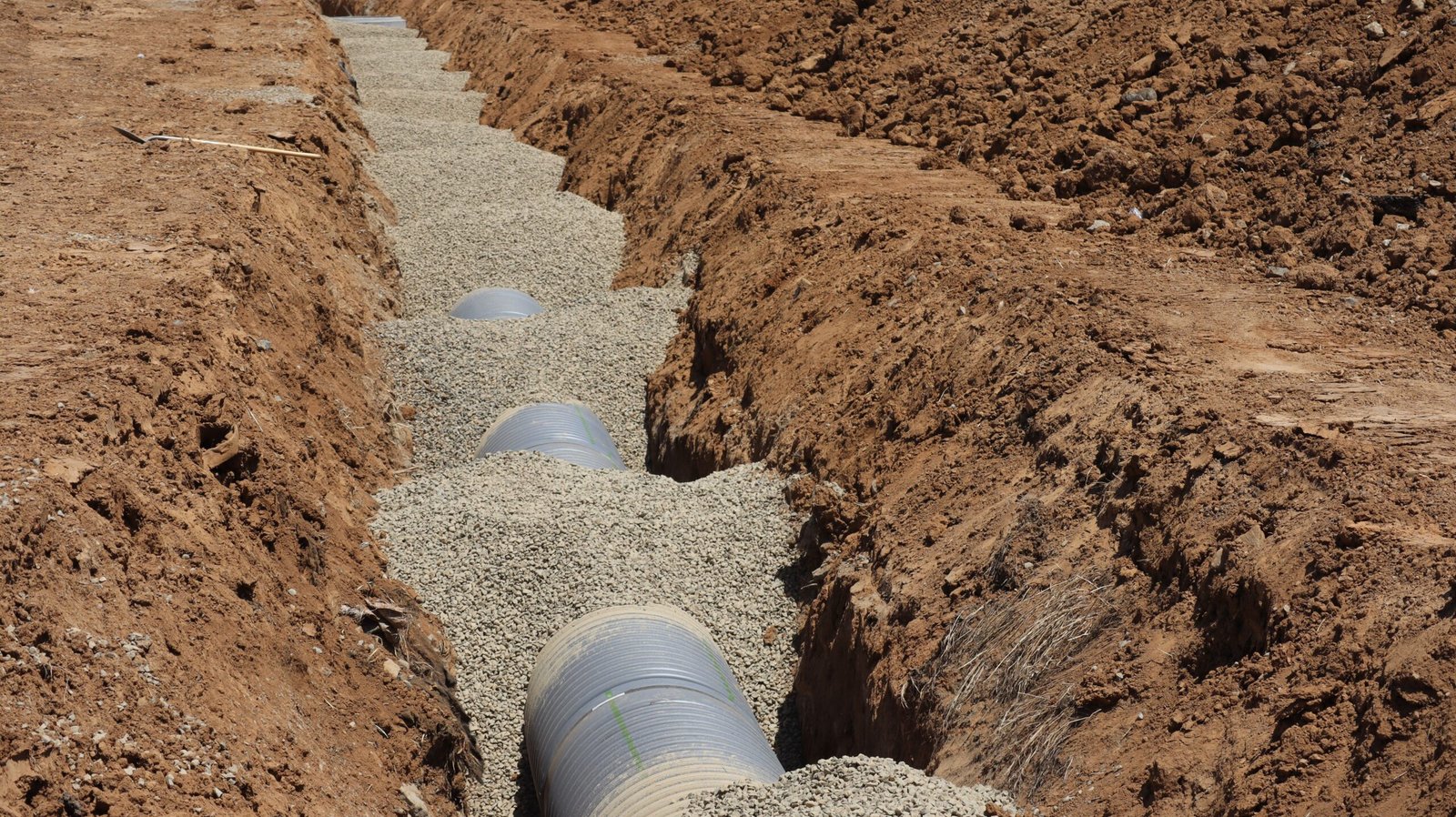
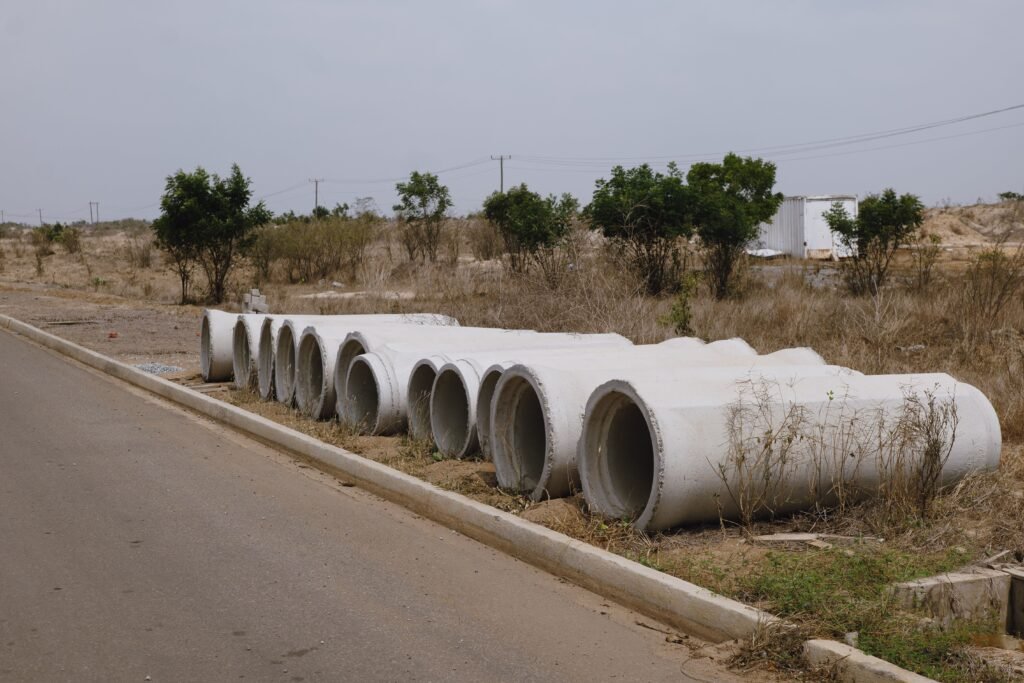
Pre-Cast Utility Ducts

Implementing permanent concrete ducts for cables/gas. This terminates the ”Dig-Fill-Repeat” cycle across Delhi corridors.

Time-Bound Execution

Strict penalty clauses for delays, ensuring the Delhi Road Redevelopment Project 2026 meets its environmental milestones.

Demand Scientific Accountability

End the cycle of repeatedly repairing the same road. Transparent, scientific base layer assessments ensure public funds are used for lasting infrastructure

The Infrastructure Push: February 2026 Budget

On February 17, 2026, the Delhi Government approved a landmark investment for the Delhi Road Redevelopment Project 2026. This is a strategic overhaul of 241 major roads spanning 400 kilometres.


Total Project Financing

₹802.18 Cr

A massive capital allocation targeting Delhi\’s most congested lifelines.

CRIF Contribution

₹643.36 Cr

Central Road Infrastructure Fund signaling a collaborative urban push.

Demanding Scientific Accountability

✅ Corruption-Free

Transparent e-bidding and independent field audits are mandatory for this scale of spend.

✅ Scientific

Mandatory soil-base testing and advanced load-bearing analysis to ensure decade-long durability..

✅ Sustainable

ntegrated ”wall-to-wall” drainage systems that eliminate waterlogging and surface erosion..

The Scientific Shift: “Wall-to-Wall Carpeting”

The cornerstone of the Delhi Road Redevelopment Project 2026 is the transition from temporary \”patchwork\” toward a scientifically-backed carpeting model.

Uniform Strengthening

Instead of superficial hole-filling, the entire road width undergoes a technical assessment of its base layer to ensure structural longevity.

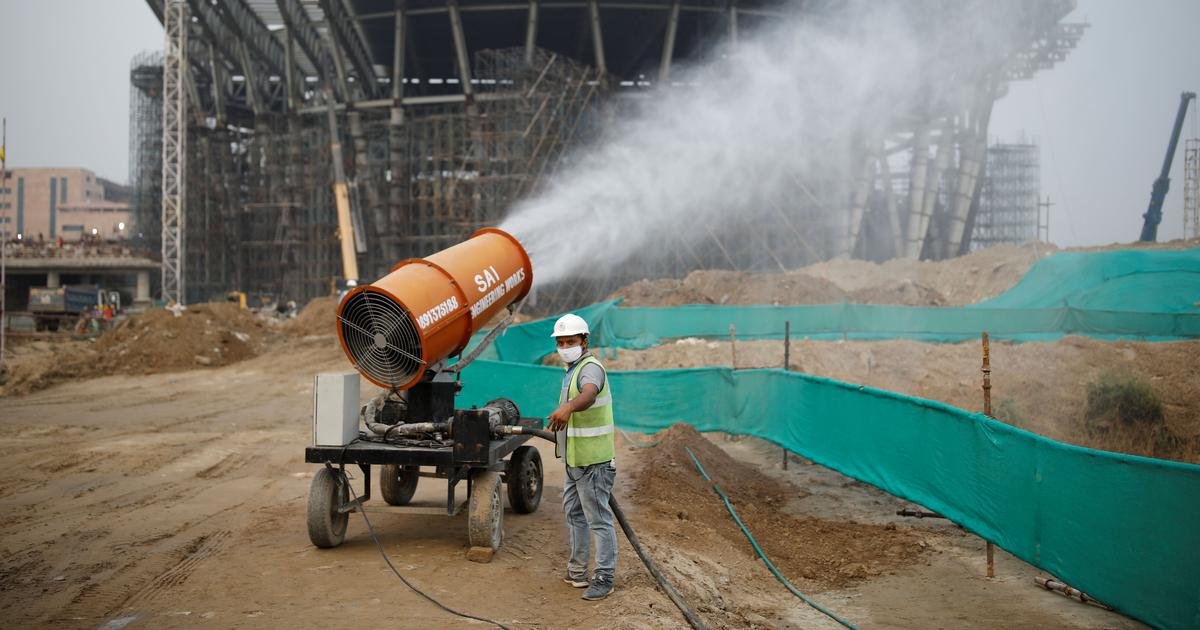
Dust Suppression

By sealing the surface edge-to-edge, we eliminate exposed soil that vehicular turbulence converts into toxic PM10 and PM2.5 clouds

Resilient Drainage

Advanced drainage integration is mandated before final carpeting to ensure the road surface remains resilient during intense monsoon cycles.

The Hidden Toll: Economy, Environment and Health

To achieve SDG Target 11.6, we must acknowledge that broken roads are more than an eyesore; they are a documented public health and economic crisis.


Environmental Degradation

Potholes and trenches force constant braking and acceleration, spiking fuel consumption. This directly increases the carbon footprint within the Delhi Road Redevelopment Project 2026 zones.

Economic Man-Hours

Congestion leads to a massive drain on productivity. Hours spent in gridlock are hours stolen from Delhi’s GDP and the quality of urban family life.

Public Health Crisis

Chronic exposure to particulate dust from unfinished roadwork causes severe respiratory issues, increasing asthma rates and contributing to mental fatigue.

The Strategy for Change: Government & Individuals

The Delhi Road Redevelopment Project 2026 requires a shift toward Unified Utility Ducting—integrating the Jal Board, IGL, and Telcos into a single, non-invasive plan.

The Citizen’s Role in Governance

Are roads in your locality being dug up during peak hours? Report non-compliance directly to our independent urban audit team.

Report an Issue

The Individual’s Power: Citizens as Social Auditors

The Delhi Road Redevelopment Project 2026 cannot succeed through policy alone. Real change requires civic oversight from those who use these lifelines daily.

Monitor the Work

Observe the ”base layer” strengthening. Ensure contractors aren’t bypassing technical specs by pouring thin bitumen over existing structural cracks.

Demand the Warranty

Inquire about maintenance warranties. Under new scientific mandates, if a road fails prematurely, the contractor must bear the repair costs.

Raise Your Voice

Partner with SESD to highlight coordination failures. Public vigilance ensures that every rupee of the ₹802 Crore leads to permanent progress.

Beyond Asphalt: The Future of Delhi 2026

A sustainable city is not defined by how much asphalt it lays, but by how long that asphalt lasts. If the Delhi Road Redevelopment Project 2026 is to succeed, it must be shielded from uncoordinated digging through Scientific Utility Ducting.

By combining the record ₹802 Crore budget with integrated ducting and strict contractual accountability, we move Delhi’s infrastructure out of the patchwork cycle and into a resilient future.

The transition to wall-to-wall carpeting is a direct commitment to the respiratory health and economic productivity of every Delhi resident.

Technical Framework & Governance

The Delhi Road Redevelopment Project 2026 is governed by international standards and local PWD mandates.

Official Policy

PWD Delhi Guidelines

Official blueprints for the Delhi Road Redevelopment Project 2026.

Global Alignment

UN SDG Goal 11

Fulfilling international urban sustainability targets in 2026. ↗

Shopping Cart
Email Us connect@susten.org.in
✉️
Call Us 99992 28028
📞
Support 63883 07205
📞
Top Rated 4.9/5 ★
🏅