The Society for Environment and Sustainable Development (SESD) bridges the gap between scientific research and field implementation to deliver measurable results.
Watch our educational videos and updates on YouTube.
17 Goals. 169 Targets. One Planet.
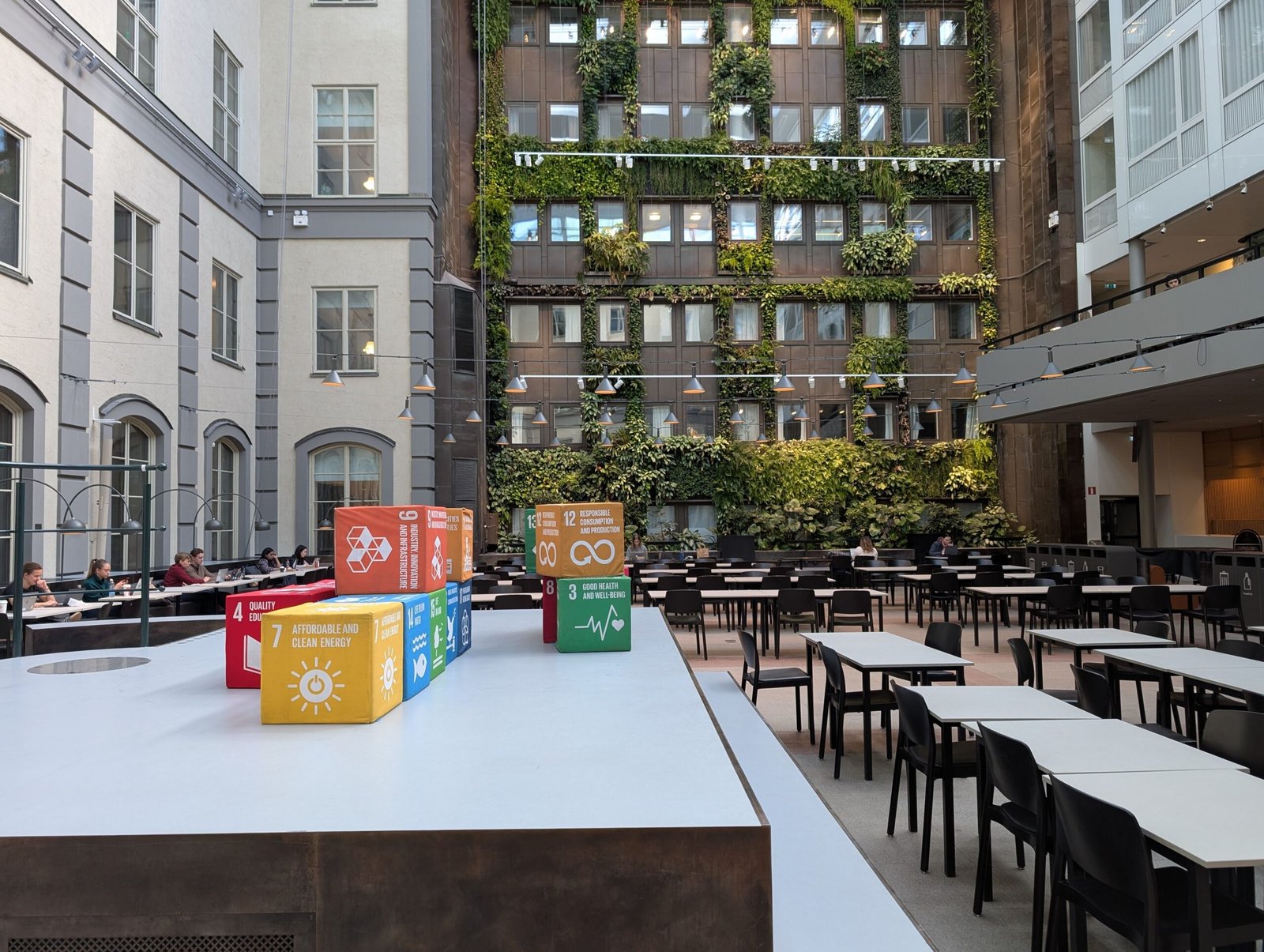
The United Nations Sustainable Development Goals (SDGs) are a universal call to action. As of May 2026, the world enters the critical “final stretch” toward 2030, with India emerging as a pivotal driver of global success.
You can add this concise paragraph: “These goals are anchored in the five Ps: People, to end poverty and ensure dignity; Planet, to protect our ecosystems; Prosperity, ensuring prosperous lives in harmony with nature; Peace, to foster just and inclusive societies; and Partnership, to mobilize global implementation.”
India's 2026 Performance
India’s trajectory as a “Front-Runner” is evidenced by its rising scores across multi-dimensional indices. While domestic monitoring shows high achievement in energy and water, the global standing reflects India’s massive scale and systemic progress.
Global Rank
0
SDG Index Score
0/100
Niti Ayog Score
0
The Metabolic Shift in India
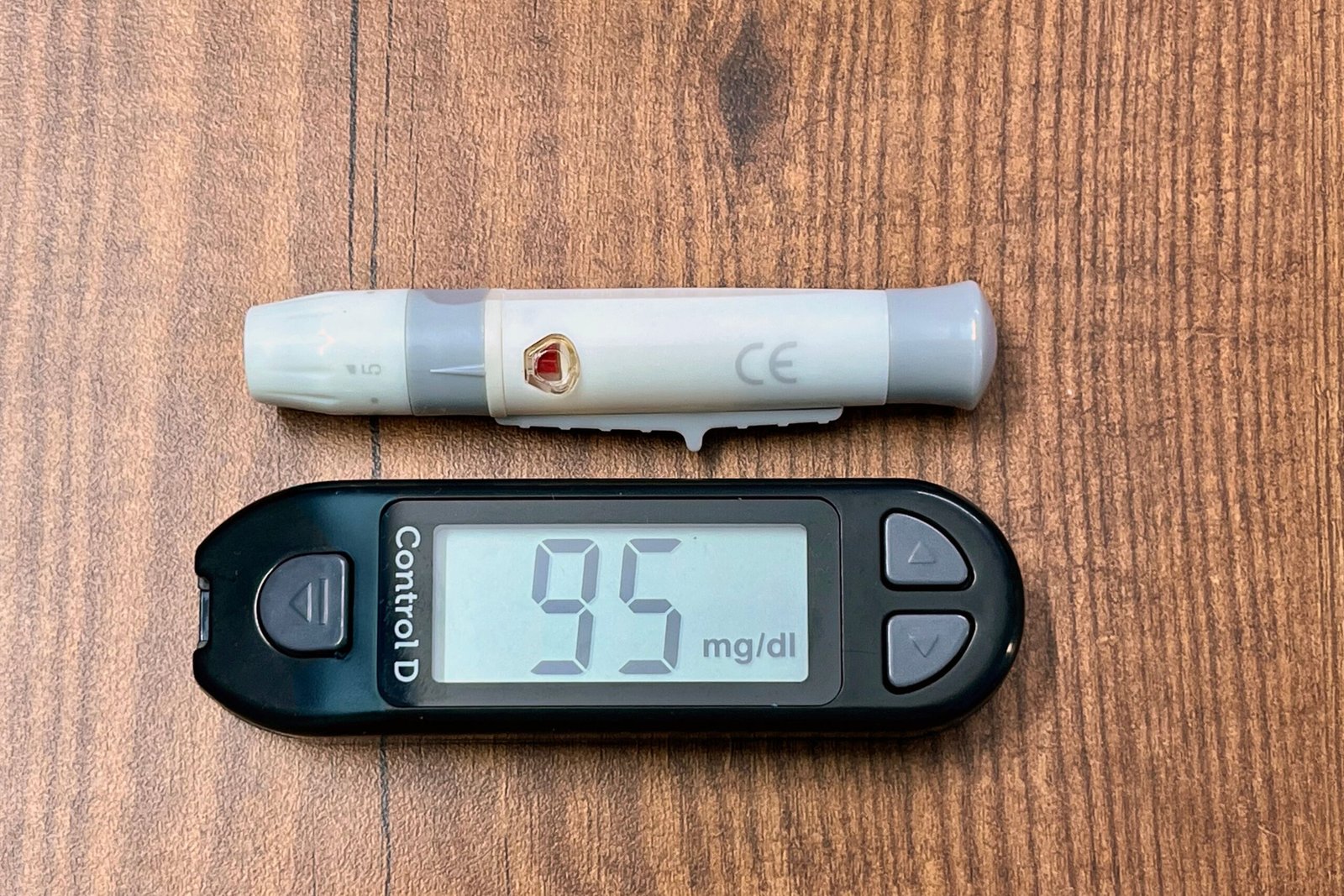
Tracing the trajectory from 2015 (NFHS-4) to the 2026 Horizon. The data confirms a transition from an “Urban Wealth Disease” to a “Universal Health Crisis.” This crisis is predominantly driven by the surging diabetes epidemic, which has become a significant public health challenge in India.
Overall Prevalance
0%
A massive 85% increase in national prevalence since 2015. India is currently facing a “metabolic emergency” as we approach the 2030 deadline.
Trend: INCREASING ↑
Urban Concentration
0
Metropolitan cities like Delhi and Chennai see nearly 1 in 5 adults affected. Sedentary work culture and PM2.5 levels are primary drivers.
Status: HIGH RISK
Cool Number
0
The most alarming shift. Rural prevalence has doubled since 2015 (10.2% vs 5.2%), proving that diabetes is no longer just a “city disease.”
Observation: RAPID GROWTH
Gender Context (2026)
While Men (12.5%) exhibit a slightly higher incidence rate due to lifestyle stress, Women (11.4%) in India are often diagnosed in later stages, leading to higher complication rates.
♂
Male
0
Female
0
Historical Trajectory
India's Diabetes Trend (Values in %)
No Data Found
No Data Found
The 2026 Verdict: Target 3.4 Status
Are we on track to reduce premature mortality dus to diabetes by 33.3%?
The section addresses reducing premature mortality from diabetes. To meet the UN 2030 benchmark, we need a 33.3% reduction. Currently, we’ve achieved a reduction of about 14%, leaving a gap of 19.3% remaining. Therefore, the verdict is that we are behind schedule, requiring accelerated action by 2030.
1. Lifestyle Transition: Rapid shift to ultra-processed diets in both urban and rural clusters.2. Detection Lag: 1 in 2 diabetic individuals in India are unaware of their condition. 3. Environmental Stress: Emerging link between chronic PM2.5 exposure and insulin resistance.
Engineering students at this college have a unique role. To bridge the 19.3% gap, we don’t just need doctors; we need engineers to design affordable, real-time NCD monitoring IoT tools and air-purification solutions.
Societal Barriers to Accelerating SDG Implementation
Identifying systemic failures is the first step in accelerating SDG implementation. The following analytics dashboard highlights why standard engineering often fails without social architecture.
Factor
Societal Failure
Impact on SDGs
Sedentary Loops
Digital addiction prevents physical participation
Stalls accelerating SDG implementation in urban health.
Apathy to Toxicants
Normalization of high PM2.5 levels.
Directly opposes accelerating SDG implementation for Goal 3.
Trust Deficit
Digital paranoia blocks community data sharing.
Prevents accelerating SDG implementation at scale.
The Hard Truth
Why India Fails
Despite clinical progress, structural and behavioral "traps" are sabotaging our 2030 Sustainable Development Goals.
Cool Number
0%
Of all NCD deaths in India are caused by PM2.5. We fail because we treat the blood sugar, but ignore the toxic air driving it.
Digital Trap
0X
Smartphone addicts are 2.7 times more likely to be sedentary. Car ownership & screen-time are now “metabolic traps” replacing active transport.
Funding Trap
0%
Of GDP goes to health. We fail because we invest in hospitals for end-stage cure rather than engineering prevention at the source.
Rural Shift
0%
Increase in rural diabetes since 2015. We have successfully exported urban sedentary stressors without exporting diagnostic infrastructure.
The $6 Trillion Failure Cost
By 2030, this is the projected economic burden of NCDs. Failure is not just a health statistic; it is the bankruptcy of our demographic dividend.
Moving from “Hospitality” to “Ownership.” Shifting the burden of action from lone volunteers to the collective community.
Success Rate
0%
Blue-Green Infrastructure (BGI)
Engineering urban spaces to lower PM2.5 and micro-temps. Solving the 13% NCD mortality link at the source.
Success Rate
0%
Healthcare Funding & Policy Shift
Increasing GDP spend to 5% and pivoting from curative hospital models to preventative IoT/primary care.
Success Rate
0%
Education & Trust-Building
Combatting “Digital Paranoia” and NCD awareness. Ensuring communities understand that their health depends on collective data/links.
Success Rate
0%
Nudging Healthy Habits
Using tax incentives and urban design to “nudge” residents away from sedentary digital loops and back to physical activity.
Ref 1: The Community Health "Ownership" Model
Our approach is rooted in Nudge Theory (Richard Thaler, Nobel Prize 2017) and Community-Based Participatory Research (CBPR).
Research confirms that “choice architecture” and physical community engagement are the most effective predictors of long-term health and environmental success.
We are at a crossroads where technology alone cannot save us. Accelerating SDG implementation is no longer a choice—it is a survival mandate for our urban centers. By shifting from a service-based “hospitality” mindset to a labor-based “partnership” model, we transform temporary projects into permanent legacies.
For the engineers and planners of tomorrow, the metric of success is clear: your ability to overcome human apathy is just as important as the efficiency of your designs. This is the final frontier of social architecture.
Lorem ipsum dolor sit amet, consectetur adipiscing elit, sed do eiusmod tempor incididunt ut labore et dolore magna aliqua. Ut enim ad minim veniam, quis nostrud.