Critical Policy Audit: SWM Rules 2026
SWM Rules 2026: The "Broken Math" & India's Race to SDG 11
Discover the structured flaws in the new waste management rules that could determine our cities’ future.
Discover the structured flaws in the new waste management rules that could determine our cities’ future.
Legislative Engine for Urban Resilience.
The notification of the Solid Waste Management Rules 2026 India marks a definitive shift in how our nation handles urban metabolism. Superseding the 2016 framework, these rules are the primary legislative engine driving us toward UN Sustainable Development Goal (SDG) 11—making cities inclusive, safe, resilient, and sustainable.
Target 11.6 specifically mandates that by 2030, we reduce the adverse per capita environmental impact of cities, particularly through municipal waste management. To achieve this, the 2026 mandate moves away from advisory guidelines toward a strictly auditable, digital-first compliance system..
By decentralizing processing and tightening accountability for non-compliance, the regulations aim to foster climate resilience at the municipal level. This strategic alignment not only transforms urban waste ecosystems, but also propels India toward its broader commitments under the UN Sustainable Development Goal.
While the regulatory focus is sharp on Bulk Waste Generators, our audit reveals a “Broken Math” in how the Solid Waste Management Rules 2026 India are applied to individual households, who generate 76% of city waste.
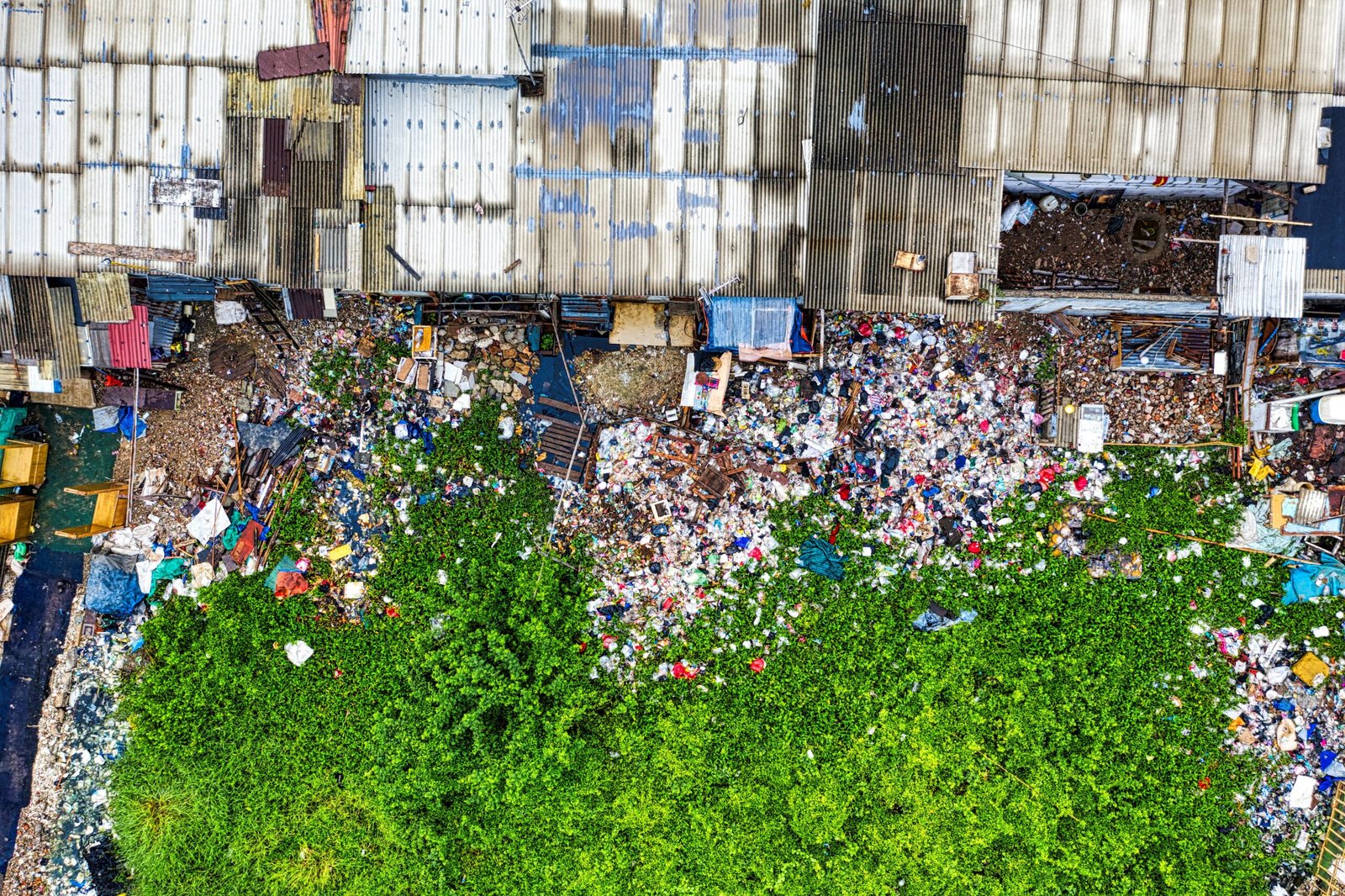
SDG Target 11.6.1 tracks the proportion of municipal solid waste managed in controlled facilities. To truly meet this goal, we must address why our dumping sites are reaching a breaking point.
The weight Factor: Kitchen waste constitutes approximately 40% to 60% of the total municipal solid waste generated across India. It is heavy, expensive to transport, and creates toxic leachate that poisons groundwater.
The Methane Bomb: When household organic waste is mixed with plastics, it generates methane. This leads to spontaneous fires, releasing PM2.5 and PM10 particles that directly sabotage air quality goals under SDG 11.6.2.

Lorem ipsum dolor sit amet, consectetur adipisicing elit. Optio, neque qui velit. Magni dolorum quidem ipsam eligendi, totam, facilis laudantium cum accusamus ullam voluptatibus commodi numquam, error, est. Ea, consequatur.An entity is classified as a BWG if it has a built-up area of 20,000 square meters or more, consumes 40,000 liters of water or more per day, or generates 100 kilograms or more of solid waste per day.
Lorem ipsum dolor sit amet, consectetur adipisicing elit. Optio, neque qui velit. Magni dolorum quidem ipsam eligendi, totam, facilis laudantium cum accusamus ullam voluptatibus commodi numquam, error, est. Ea, consequatur.All mandated entities must register on the centralized CPCB portal and submit periodic compliance reports. The rules formally take effect on April 1, 2026
Non-compliance leads to environmental compensation penalties under the Polluter Pays Principle and may incur regulatory notices or operational restrictions.
A comparative audit of the regulatory focus versus the actual environmental impact under the new Solid Waste Management framework reveals a fundamental policy gap. While bulk waste generators face high mandates for on-site composting and digital audits, individual households, generating 40% to 60% of the total municipal solid waste, primarily Kitchen Organic, are left with no mandatory processing requirements .
The 2026 projections confirm a fundamental policy gap: we are over-regulating the dry-waste minority (30%) while providing a compliance bypass for the wet-waste majority (70%).
| Generator Category | % of Total Waste | Dominant Stream | SDG 11 Mandate |
|---|---|---|---|
| Bulk Waste Generators(Malls, IT Parks, Industries) | 30% | DRY WASTE (Plastic, Metal, Paper), | HIGH: Mandatory On-site Composting & Digital Audit. |
| Individual Households (Residential Units), | 70% | WET WASTE (40% to 60% Load: Kitchen Organic), | LOW: No Mandatory Processing (Only Segregation). |
To bridge the monitoring gap, the Solid Waste Management Rules 2026 introduce high-tech accountability measures designed to ensure no waste stream disappears into the shadows.

Every Bulk Waste Generator must register, creating a permanent digital paper trail to prevent illegal dumping.
.

Industries fund residential composting, balancing the broken math with corporate capital injected into local waste systems.
Moving beyond basic wet and dry waste to include sanitary and special care streams prevents contamination.
Why Habit Change is the Ultimate Solution Effective solid waste management doesn’t begin with technology; it begins with our daily habits. By directly linking waste segregation to household economics, we empower individuals to become the primary solution, transforming waste management from a bureaucratic challenge into a personal, community-driven revolution.
In the Indian context, habit change is rarely driven by environmental altruism alone; it is driven by economics. The 2026 rules empower Urban Local Bodies (ULBs) to finally enforce the ‘Polluter Pays’ principle at the doorstep.

The rules introduce a tiered pricing model. Households that fail to segregate their 60% wet waste can be charged significantly higher collection fees, turning waste segregation into a direct household budget priority.

Municipalities are now incentivized to divert waste. Under the 2026 framework, only ‘inert’ or non-recyclable waste is permitted at dumping grounds. Sending organic matter to a landfill now triggers a financial penalty for the city.
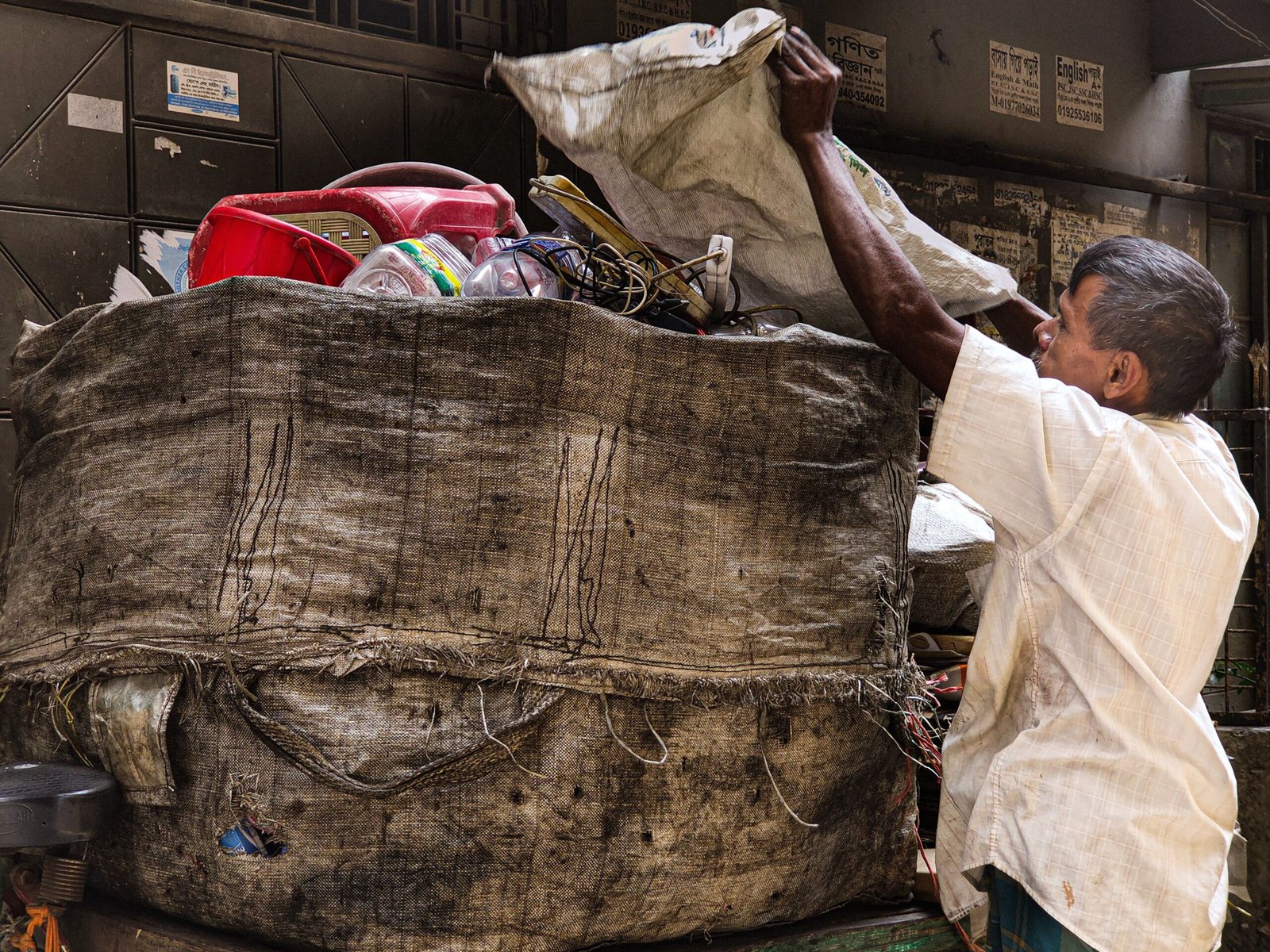
A critical component of the Solid Waste Management Rules 2026 is the long-overdue formal integration of waste pickers. By providing legal ID cards and designated sorting spaces, cities can finally professionalize the waste value chain. This ensures that recyclables are recovered with dignity, preventing thousands of tons of material from reaching the “Broken Math” of our landfills. Integrating these workers is not just about labor rights—it is the only logistical solution to the SDG 11 challenge.
A critical component of the Solid Waste Management Rules 2026 is the long-overdue formal integration of waste pickers. By providing legal ID cards and designated sorting spaces, cities can finally professionalize the waste value chain. This ensures that recyclables are recovered with dignity, preventing thousands of tons of material from reaching the “Broken Math” of our landfills. Integrating these workers is not just about labor rights—it is the only logistical solution to the SDG 11 challenge.
The Solid Waste Management Rules 2026 provide the digital skeleton, but the “muscle” must come from the citizens. Commercial hubs generate only 30% of our city’s waste; the remaining 70% comes directly from our kitchens. If we only regulate businesses, landfills will continue to suffocate our cities. Changing household habits at the kitchen level is not just about environmental altruism—it is the only way to make our urban future truly sustainable.