SmyttenPulseAI & SESD: Delhi Habitability Audit 2026
The Great Delhi Exodus:
A City At The Brink
A silent migration is underway. New clinical data reveals that 80% of families in the NCR are now preparing to relocate. Is the capital still liveable?
The Habitability Threshold: Why the Capital is Emptying
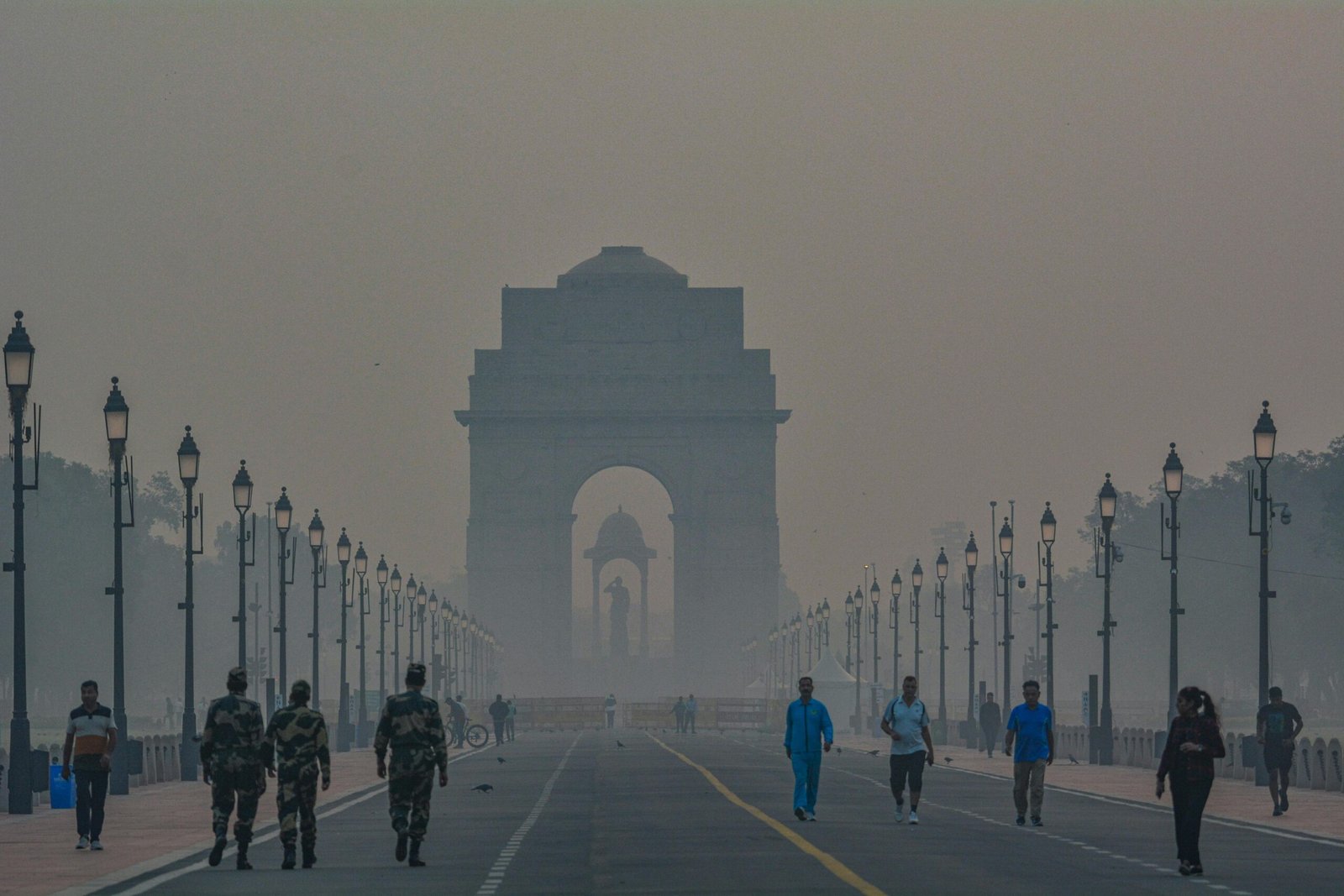
The 2026 Delhi Exodus is not a sudden panic, but the crossing of a “Habitability Threshold.” For decades, the economic magnetism of Delhi-NCR outweighed its environmental costs. However, our latest audit confirms that the scales have finally tipped.
Families are initiating the Delhi Exodus due to a convergence of factors: the persistent failure of respiratory safety, a thermal heat-tax that is becoming economically unsustainable, and a deep-seated Anxiety of Permanence. Parents are no longer asking if they can afford to leave, but rather, if they can afford to stay and witness the long-term morbidity of their children.
This migration represents a fundamental shift in Indian urbanization—the rise of the Environmental Refugee within the middle and upper-middle class.
The Delhi Exodus: Core Metrics
Visual Audit Story
Tap to explore the full interactive data experience.
*Primary data verified by SESD Audit Team (12,500+ professionals sampled).
The Eco-Divide: Equity in Migration
The 2026 Delhi Exodus has revealed a stark “Environmental Class Divide.” While 80% express a desire to leave, the physical ability to relocate is strictly dictated by Capital Mobility.
The Mobile Elite
Professionals in Tech, Finance, and Creative industries who have successfully decoupled income from location. They are leading the migration to “Wellness Hubs” like Goa, Dharamshala, and Mysore.
The Anchored Middle
Tied to government service, retail, or education. This group experiences the highest Psychological Friction—the desperate desire to leave without the logistical means to do so.
The Trapped Workforce
Industrial laborers and service providers who form the backbone of the NCR but lack the safety net to migrate, remaining at the frontlines of the environmental crisis.
Top 5 Exit Drivers (2026 Audit)
“We aren’t leaving Delhi because we don’t love it; we are leaving because we want to see our children grow up without a nebulizer.”
— Survey Participant, Vasant Kunj AuditReclaiming Inhabitability: The Way Forward
The Delhi Exodus is a warning, not just a trend. SESD believes that while migration is an individual solution, the collective challenge requires a fundamental redesign of the capital’s relationship with nature.
Hyper-Local Micro-Climates
Moving away from centralized parks toward “Vertical Forests” and industrial-scale air purification grids integrated into the existing metro and utility infrastructure.
The Remote Work Decentralization
Policy incentives for companies to shift operations to Tier-2 satellite cities, reducing the density pressure on Delhi’s core resources and decreasing the “Thermal Load” of the city.
Universal Health Security
Providing the “Trapped Workforce” with subsidized environmental safety gear and respiratory insurance, ensuring that economic status doesn’t dictate survival.
The Biological Penalty
Life Expectancy Deficit
Based on the Air Quality Life Index (AQLI) 2026 Projections, the average resident of Delhi-NCR is currently trading nearly 12 years of their life for economic residency. This is the primary driver for the “Elite Migration” to Tier-2 wellness hubs.
Environmental Maintenance Cost
The “Hidden Cost of Staying” includes air purification maintenance, high-tonnage HVAC electricity cycles, and rising medical premiums. For a family of four, this “Environmental Tax” has increased by 45% since 2024.
Pediatric Respiratory Consultations
Our 2026 Audit found a consistent 40% year-on-year increase in nebulizer dependency and pediatric asthma diagnoses among residents who have lived in the NCR for more than 5 years.